
Author
Apuleius
- Lived
- Lived 124 CE to 170 CE
- From
- From Numidian Roman
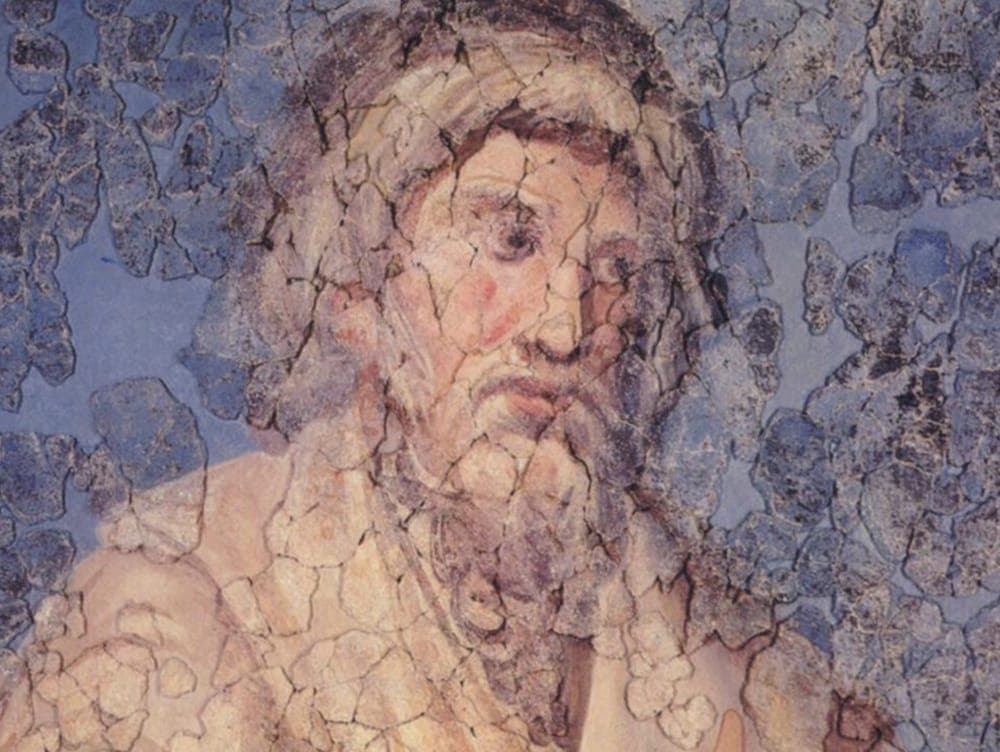
Born around 124 CE in Madauros, a Roman colony in Numidia on the North African coast (the modern village of M'Daourouch in Algeria), Apuleius was the son of a duumvir, a municipal magistrate of rank, who at his death left his two sons nearly two million sesterces. He described himself as half Numidian, half Gaetulian. He studied first at Carthage, then Platonist philosophy at Athens, and rhetoric at Rome, travelling on through Asia Minor and Egypt and depleting his inheritance on books and initiations into the mysteries of Dionysus, Isis, and Asclepius. On the way to Alexandria he fell ill at Oea, the modern Tripoli, and was taken in by the widow Pudentilla, who married him within months. Her late husband's family, alarmed by the loss of her wealth, brought him to trial around 158 CE before the proconsul of Africa at Sabratha on the charge of using magic to seduce her. He defended himself in person and won; he then published the speech as the Apologia, the only ancient Roman defence in a sorcery case to survive in full. The Golden Ass, his picaresque novel, is the only Latin novel that has come down to us complete. It follows Lucius, an over-curious young man whose dabbling in witchcraft accidentally turns him into a donkey, through bandits, priests, and Isiac initiation back to human shape. At its centre sits the long folk tale of Cupid and Psyche, the oldest written telling we have. Statues were raised to him by the senate of Carthage. The date and place of his death are unknown, although there is no record of him after about 170 CE.
The first button needs the app on this device; the second gets it there.
In the canon
- The Golden Ass158 CE