
Author
David Lindsay
- Lived
- Lived 1876 to 1945
- From
- From Scottish
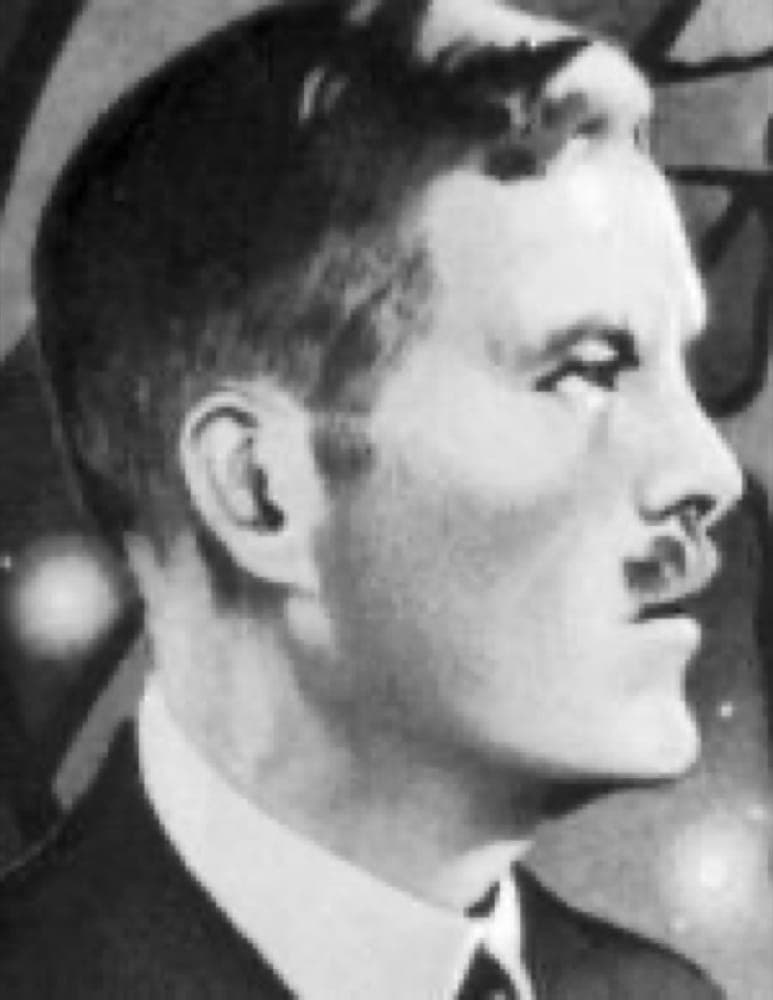
Born on March 3, 1876, in Blackheath, southeast London, David Lindsay was the son of a Scottish father whose departure left the family in straitened circumstances, and the boy grew up shuttling between London and his relatives in Jedburgh, in the Scottish Borders. He was a gifted student offered a university place but could not afford to take it, and instead entered an insurance firm at Lloyd's of London, where he worked as an underwriter for some twenty years. He read deeply in German idealism and Norse mythology, kept his philosophical reading private, and did not begin to write until middle age. Released from the office by a small inheritance, he moved to Cornwall and there composed A Voyage to Arcturus (1920), an interplanetary quest across the strange planet Tormance that reads less as adventure than as a metaphysical pilgrimage toward an austere, world-denying truth. It sold fewer than six hundred copies and was remaindered, a failure that shadowed the rest of his life. He pressed on with The Haunted Woman (1922), Sphinx (1923), the historical romance Adventures of Monsieur de Mailly (1926), and Devil's Tor (1932), none of which found a readership. Two further novels, The Violet Apple and The Witch, went unpublished in his lifetime. He spent his last years running a boarding house in Brighton, embittered and increasingly solitary. He died on July 16, 1945, at the age of sixty-nine, from an abscess in his tooth that had spread, weeks after a bomb blast shattered the windows of his home. His reputation rests almost entirely on the book nobody bought.
The first button needs the app on this device; the second gets it there.
In the canon
- A Voyage To Arcturus1920
- The Haunted Woman1922
- Devil's Tor1932