
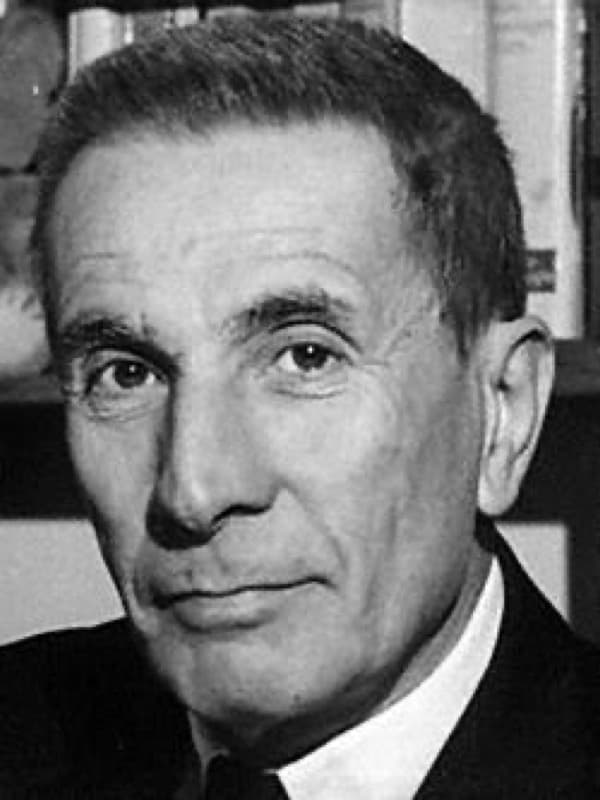
Author
Dino Buzzati
- Lived
- Lived 1906 to 1972
- From
- From Italian
- Born in
- Born in San Pellegrino di Belluno, Italy
Born in 1906 in San Pellegrino di Belluno, in the foothills of the Italian Dolomites, Dino Buzzati grew up in a prosperous family haunted by the mountains that loomed over his childhood. He studied law at the University of Milan but never practiced, joining the staff of Corriere della Sera in 1928, where he would remain as journalist, correspondent, and editor for the rest of his life. His masterpiece, The Tartar Steppe (1940), written in the spare hours around his newsroom shifts, tells of a young officer who wastes his entire life garrisoning a remote fortress, waiting for an enemy attack that never comes in the way he imagines. The novel's parable of time squandered in anxious expectation drew comparisons to Kafka, though Buzzati always insisted he had not read him. He was also a painter of considerable talent, producing canvases that shared his fiction's atmosphere of dread and enigma. His short stories, collected in volumes like Sixty Stories (1958), perfected a mode of Italian fantastic literature that blended the mundane with the metaphysical. He wrote opera libretti, children's books, and a graphic novel, Poem Strip (1969), years before the form gained literary respectability. Buzzati died of pancreatic cancer in Milan in 1972, at sixty-five, reportedly calm and unsurprised, as though he had been expecting it all along.
In 1940 the Corriere della Sera sent Buzzati to sea as a war correspondent, and he filed his dispatches from the deck of the heavy cruiser Fiume. The following spring, off Cape Matapan, that same ship was caught in British searchlights at night and sunk in minutes, taking most of her crew down with her.
The first button needs the app on this device; the second gets it there.
In the canon
- The Tartar Steppe1940
- The Bears' Famous Invasion Of Sicily1945
- Sessanta Racconti1958
- A Love Affair1963