
Author
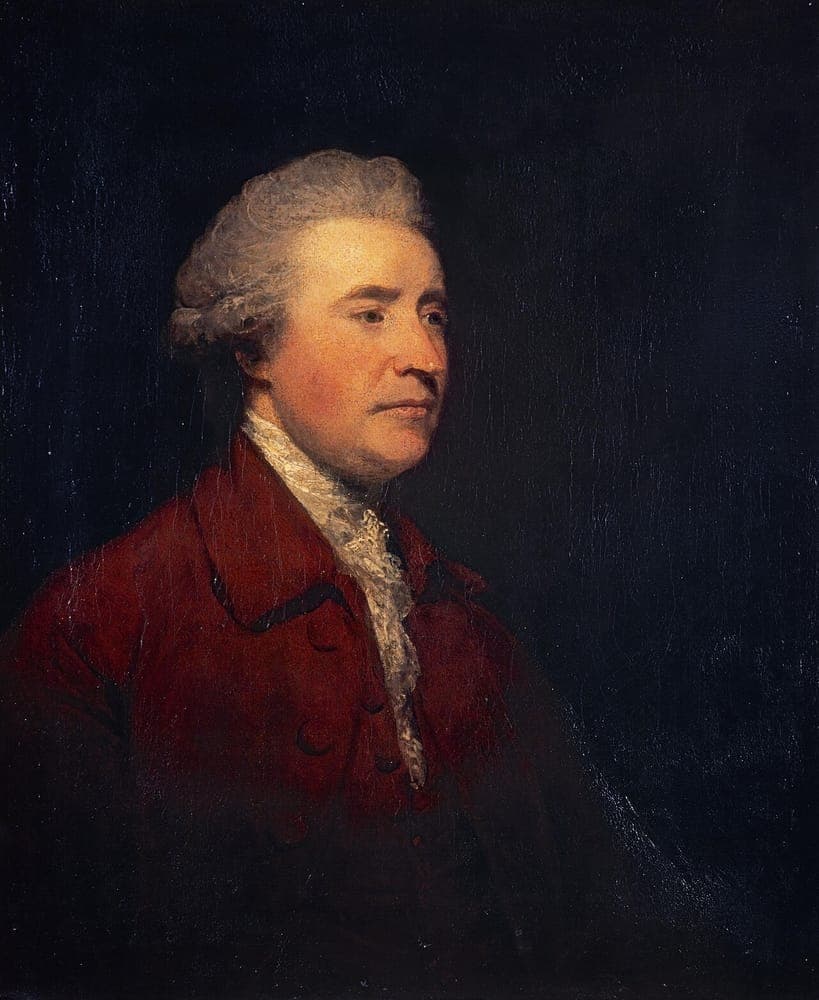
Edmund Burke
- Lived
- Lived 1729 to 1797
- From
- From Irish-British
- Born in
- Born in Dublin, Ireland
Born on January 12, 1729, in Dublin, the son of a Protestant attorney and a Catholic mother, Burke straddled the religious divide that defined Irish life. He was educated at a Quaker school in Ballitore and then Trinity College Dublin before moving to London to study law at the Middle Temple, which he abandoned for literary and political pursuits. His early Philosophical Enquiry into the Origin of Our Ideas of the Sublime and Beautiful (1757) made his name as a thinker before he entered Parliament as a Whig in 1765. For three decades he was the most eloquent voice in the House of Commons, championing the American colonists, prosecuting Warren Hastings for abuses in India, and defending the rights of Irish Catholics. Then the French Revolution arrived. Reflections on the Revolution in France (1790), written as events were still unfolding, predicted with uncanny accuracy that the Revolution would devour its children and end in military despotism. The book enraged his former allies, provoked Thomas Paine's Rights of Man in direct rebuttal, and established Burke as the founding voice of modern conservatism. He died on July 9, 1797, at Beaconsfield, Buckinghamshire, having broken with nearly every friend he had over the question of whether tradition or reason should govern human affairs.
On 28 December 1792, arguing for the Alien Bill, Burke drew a dagger from beneath his coat and hurled it clattering across the floor of the Commons. This, he cried, was what an alliance with revolutionary France would bring. The House answered with laughter, and someone called for a fork.
The first button needs the app on this device; the second gets it there.
In the canon
- A Philosophical Enquiry into the Origin of Our Ideas of the Sublime and Beautiful1757
- Thoughts on the Cause of the Present Discontents1770
- Reflections on the Revolution in France1790
- Letter to a Noble Lord1796