
Author
Erskine Childers
- Lived
- Lived 1870 to 1922
- From
- From Irish
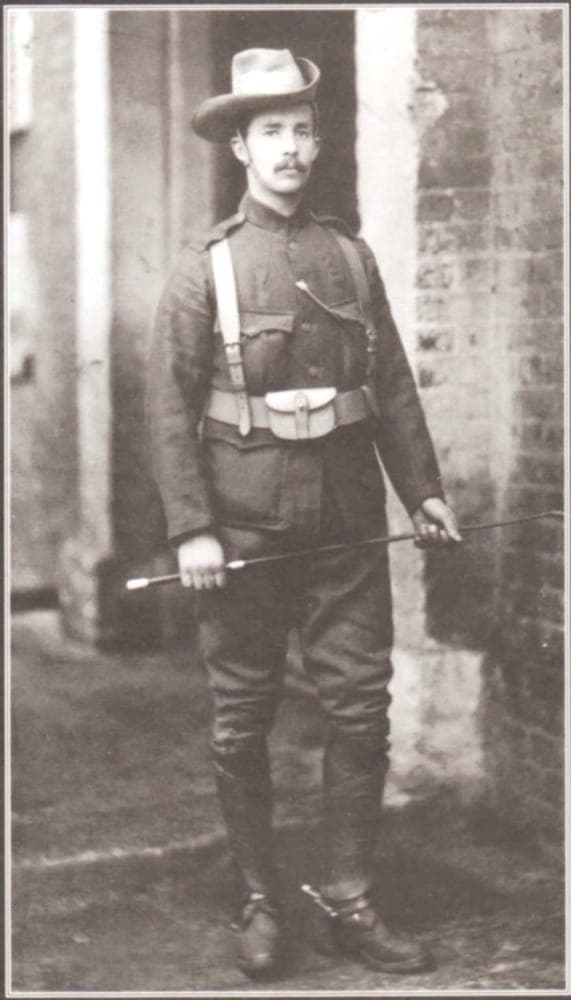
Born Robert Erskine Childers on June 25, 1870, in Mayfair, London, he was the son of the Orientalist scholar Robert Caesar Childers, who died when the boy was six, after which Erskine was raised among his mother's relatives at Glendalough House in County Wicklow, Ireland. He read law at Trinity College, Cambridge, and took a clerkship in the House of Commons, but his passion was sailing small boats through the shoals and tides of the North Sea and the Frisian coast. A firm believer in the British Empire, he volunteered for the Boer War, and his letters home became In the Ranks of the C.I.V. (1900). Out of his sailing logs and a growing unease about German naval ambition came The Riddle of the Sands (1903), the story of two yachtsmen who stumble on a secret invasion fleet massing among the sandbanks. The novel helped push the Admiralty toward new North Sea bases and is often called the first modern spy thriller. South Africa had begun to erode his imperial faith. He turned to the cause of Irish home rule, then to republicanism, and in July 1914 used his yacht Asgard to land rifles at Howth for the Irish Volunteers. He served with distinction in the Royal Navy during the First World War, then settled in Dublin, took the anti-Treaty side in the Civil War, and was captured at Glendalough. Convicted of carrying a small pistol given to him by Michael Collins, he was executed by firing squad on November 24, 1922, at the age of fifty-two. He shook the hand of each man in the squad, telling them to step closer.
The first button needs the app on this device; the second gets it there.
In the canon
- Riddle of the Sands1903