
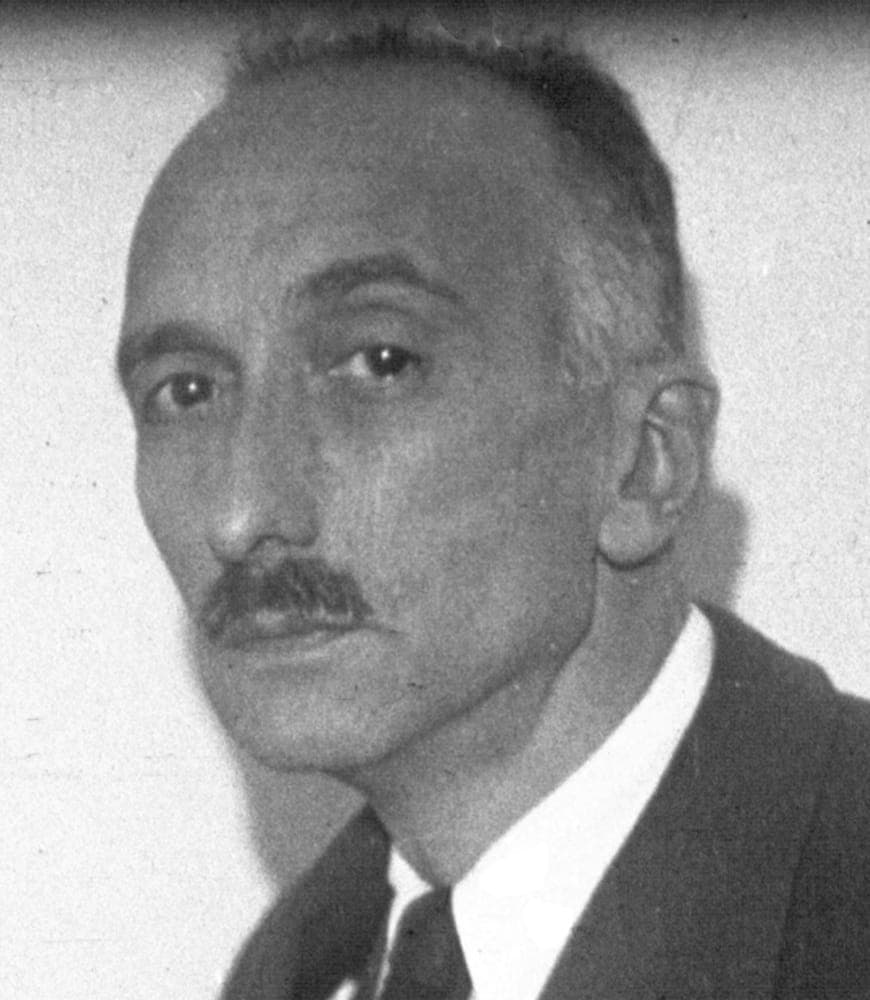
Author
François Mauriac
- Lived
- Lived 1885 to 1970
- From
- From French
Born on October 11, 1885, in Bordeaux, in the Gironde, François Charles Mauriac was the youngest of five children in a prosperous Catholic family that drew its wealth from the vineyards and pine forests of the Landes. His father, a freethinker, died when François was not yet two, and the boy was raised by a devout, severe mother whose Jansenist piety pressed on him for the rest of his life. Educated by the Marianist fathers and then at the University of Bordeaux, he went to Paris in 1906 to study at the École des Chartes but abandoned it within months to write. His first collection of verse, Les Mains jointes (1909), drew warm praise from Maurice Barrès. He found his lasting subject in the airless Catholic bourgeoisie of his native region, its money, its guilt, its quiet cruelties, and the landscape of vines and resin-scented pines that hems it in. Le Baiser au lépreux (1922) made his name; Génitrix (1923) and Le Désert de l'amour (1925) followed. Thérèse Desqueyroux (1927), the cold portrait of a woman who poisons her husband and is never quite understood, is his most enduring book. He was elected to the Académie française in 1933. During the German Occupation he wrote for the clandestine Resistance press under the name Forez, and after the war he turned increasingly to journalism, his Bloc-notes columns making him a feared and graceful polemicist. He defended Algerian independence and championed Charles de Gaulle. The Nobel Prize in Literature came in 1952, citing the spiritual insight and intensity of his fiction. He died on September 1, 1970, in Paris, at the age of eighty-four, and was buried at Vémars.
The first button needs the app on this device; the second gets it there.
In the canon
- Thérèse Desqueyroux1927
- Viper’s Tangle1932
- The Little Misery1951