
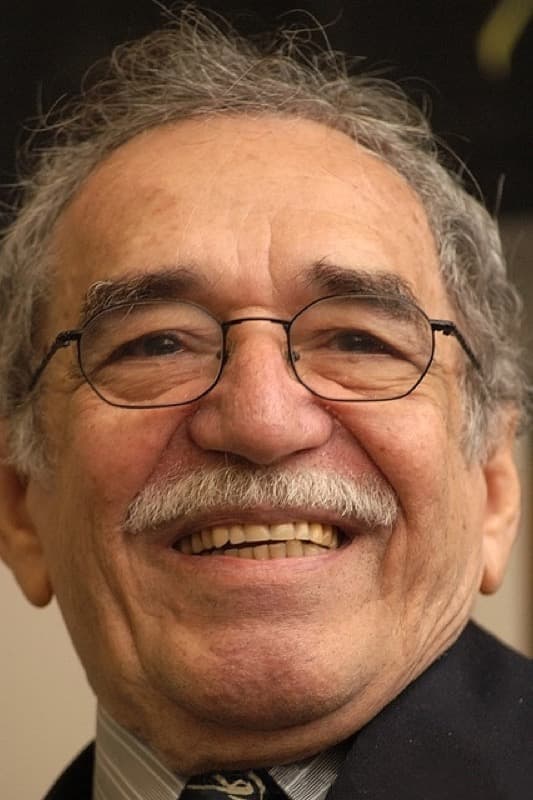
Author
Gabriel García Márquez
- Lived
- Lived 1927 to 2014
- From
- From Colombian
- Born in
- Born in Aracataca, Colombia
Born Gabriel José García Márquez on March 6, 1927, in the small Caribbean town of Aracataca, Colombia, he was raised not by his parents but by his maternal grandparents, Colonel Nicolás Ricardo Márquez Mejía, a veteran of the Thousand Days' War who filled the boy's head with stories of civil conflict and the banana company massacres, and Doña Tranquilina Iguarán, who spoke of ghosts and portents as though they were everyday facts. When his grandfather died in 1937, García Márquez was sent to live with his parents in Sucre, a displacement that haunted him for life. He studied law halfheartedly, abandoned it for journalism, and as a correspondent in Paris and Bogotá devoured Faulkner, Kafka, and Hemingway. His early novellas, Leaf Storm (1955), No One Writes to the Colonel (1961), earned respect but not fame. Then, in eighteen months of obsessive labor in Mexico City, he wrote One Hundred Years of Solitude (1967), a novel that sold over fifty million copies worldwide and established the fictional village of Macondo, modeled on Aracataca, as one of the most enduring places in literary geography. He became the central figure of the movement called magical realism, blending the supernatural and the quotidian with such seamlessness that critics struggled to draw the line between them. The Autumn of the Patriarch (1975), Chronicle of a Death Foretold (1981), and Love in the Time of Cholera (1985) confirmed his stature. In 1982 he received the Nobel Prize in Literature. He died in Mexico City on April 17, 2014; Colombia's president called him the greatest Colombian who ever lived.
In July 1965, driving his family toward a holiday in Acapulco, García Márquez heard the opening sentence of a novel arrive whole in his mind. He turned the car around, told his wife Mercedes to manage the money however she could, and shut himself away to write for the next eighteen months.
The first button needs the app on this device; the second gets it there.
In the canon
- Leaf Storm1955
- No One Writes to the Colonel1961
- One Hundred Years of Solitude1967
- A Very Old Man with Enormous Wings1968
- The Autumn of the Patriarch1975
- Chronicle of a Death Foretold1981
- Love in the Time of Cholera1985
- Light Is Like Water1992