
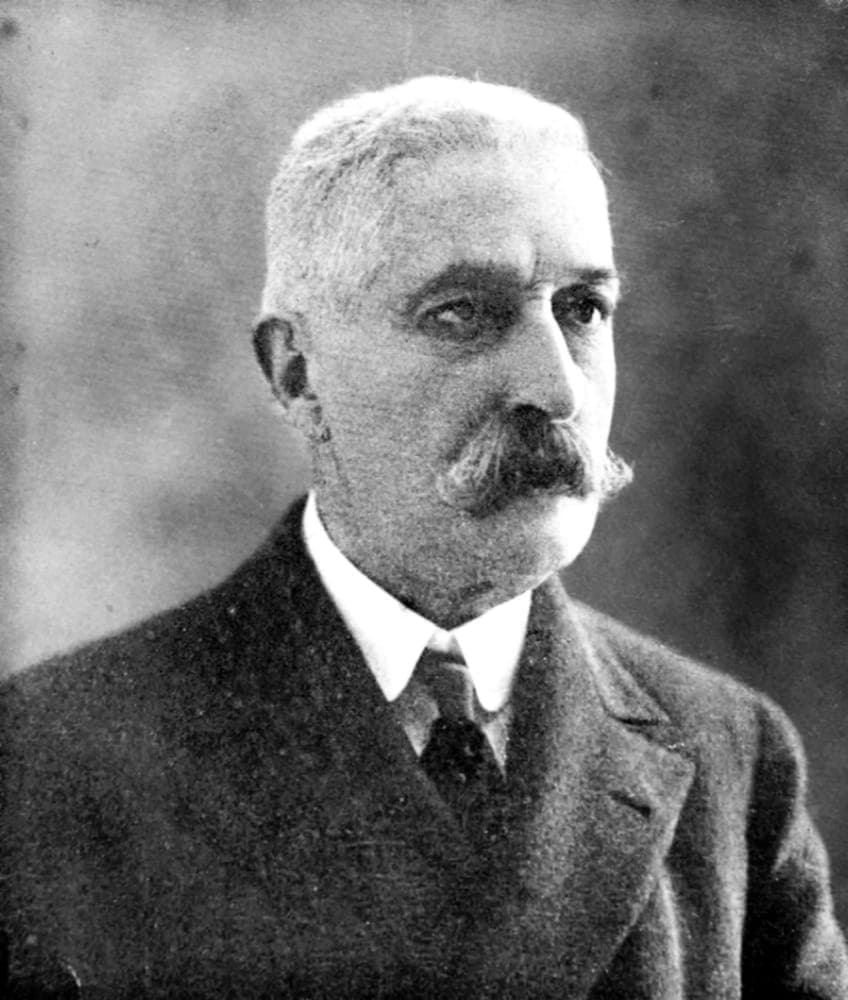
Author
Giovanni Verga
- Lived
- Lived 1840 to 1922
- From
- From Italian
- Born in
- Born in Catania, Italy
Born on September 2, 1840, in Catania, Sicily, into a prosperous landowning family of liberal sympathies, Giovanni Verga grew up amid the turbulence of the Risorgimento, which his tutor, the patriot Antonino Abate, kindled in him. He abandoned legal studies at the University of Catania to write, financing his own first novels and serving briefly in the National Guard. In 1865 he moved to Florence, then to Milan in 1872, where he absorbed French naturalism and the salons of the literary bourgeoisie. His early fiction was romantic and urban, novels of passion such as Eva (1873) and Tigre reale (1875). The turn came with the short story "Nedda" (1874) and crystallised in 1880 with the collection Vita dei campi, which contained "Cavalleria rusticana," later staged as a play and set by Pietro Mascagni as the opera that made the title famous. Verga now wrote of Sicilian peasants and fishermen in their own cadences, withdrawing the author's voice entirely, a method he called verismo. I Malavoglia (1881), translated as The House by the Medlar Tree, followed a fishing family of Aci Trezza through ruin, the first novel of a projected five-part cycle, I Vinti, the conquered. Only one more was finished, Mastro-don Gesualdo (1889), the story of a self-made mason undone by his own wealth. He returned to Catania in 1894 and wrote little for his last decades, increasingly conservative and withdrawn. He was made a senator in 1920. He died of a cerebral thrombosis on January 27, 1922, in the house where he was born, at the age of eighty-one.
On 11 April 1881, writing from Milan to his friend Luigi Capuana, Verga took stock of I Malavoglia, the novel he had built from the speech of the fishermen of Aci Trezza. It had been, he wrote, a fiasco, 'a full and complete fiasco'. He did not change course: Mastro-don Gesualdo, eight years later, used the same method.
The first button needs the app on this device; the second gets it there.
In the canon
- The House by the Medlar Tree1881
- Mastro Don Gesualdo1889
- Cavalleria Rusticana1896