
Author
Horace
- Lived
- Lived 65 BCE to 8 BCE
- From
- From Roman
- Born in
- Born in Venusia, Italy
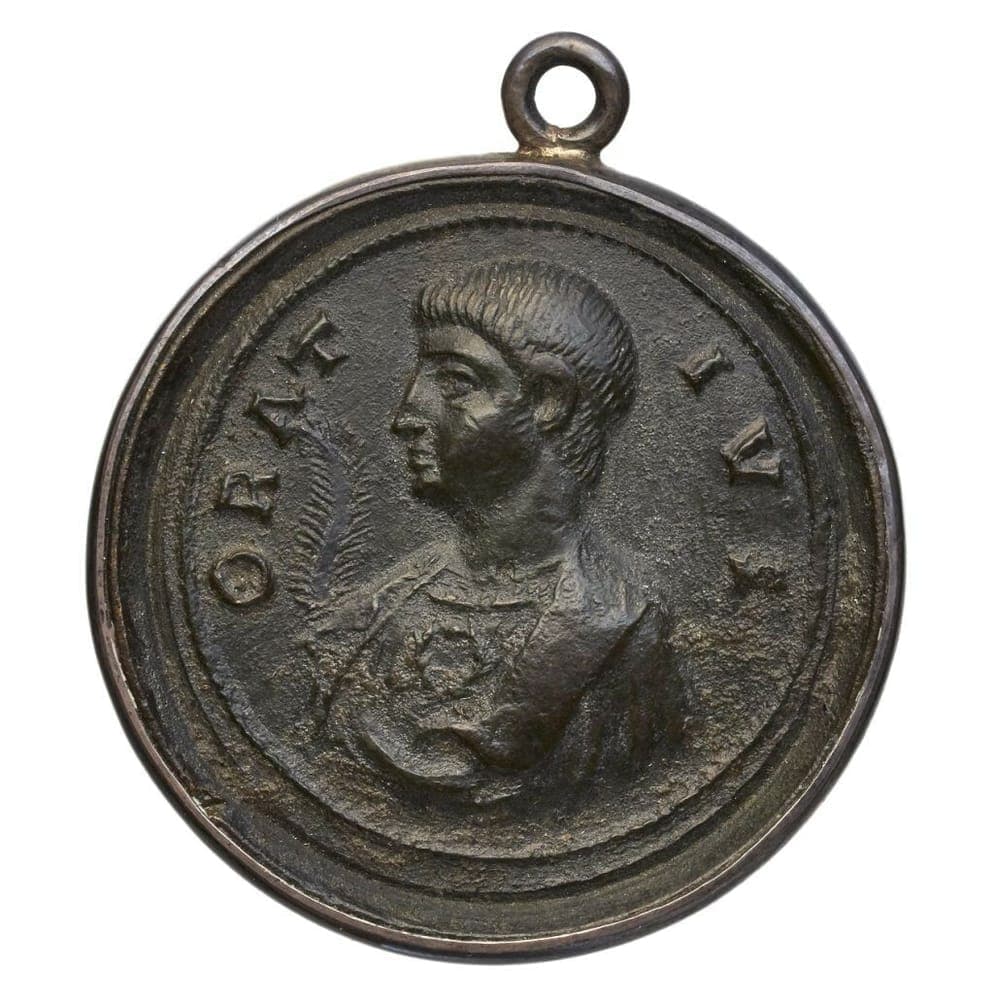
Born Quintus Horatius Flaccus on December 8, 65 BCE, in Venusia, a country town on the southern frontier of Latin in what is now Basilicata, Horace was the son of a freedman, a slave who had won his liberty and prospered as an auctioneer's middleman. The father spent his small fortune on his son's education, accompanying the boy to Rome to oversee his studies and his morals; Horace's poem of tribute (Satires 1.6) is one of the loveliest things a Latin son ever wrote about his father. He went on to Athens to read philosophy and was caught up in the civil war. At twenty-three he served as a military tribune in Brutus's army and was at Philippi in 42 BCE, where he threw away his shield (his own confession) and fled. The amnesty after Actium let him buy a clerkship in the Roman treasury. The poet Virgil introduced him to Maecenas, Augustus's minister of culture, who in 33 BCE gave him a Sabine farm, freeing him from city life forever. The Satires (35 BCE) and the Epodes followed, then the four books of Odes from 23 BCE, lyrics of friendship, wine, mortality, and political praise that Quintilian thought the only Latin verse worth comparing to the Greeks. He invented the Latin literary epistle in the Epistles (20 BCE), addressed conversationally to Maecenas, his slave, his publisher, and the young Augustus himself. Augustus offered him a private secretaryship; Horace, citing health, declined. He died on November 27, 8 BCE, at fifty-six, only weeks after Maecenas, and was buried beside him on the Esquiline.
Walking down Rome's Sacred Way, as he tells it in a satire, Horace was seized by a tedious acquaintance angling for an introduction to Maecenas. He fled toward a friend's house, invented excuses, wished aloud for the man's creditor to appear. One did, hauling the bore off to court, a rescue Horace calls an act of a god.
The first button needs the app on this device; the second gets it there.
In the canon
- Ode 1.11 (Carpe Diem)23 BCE
- The Odes23 BCE
- Ars Poetica (Epistle to the Pisones)19 BCE
- Satire I.9 ("The Bore")35 CE