
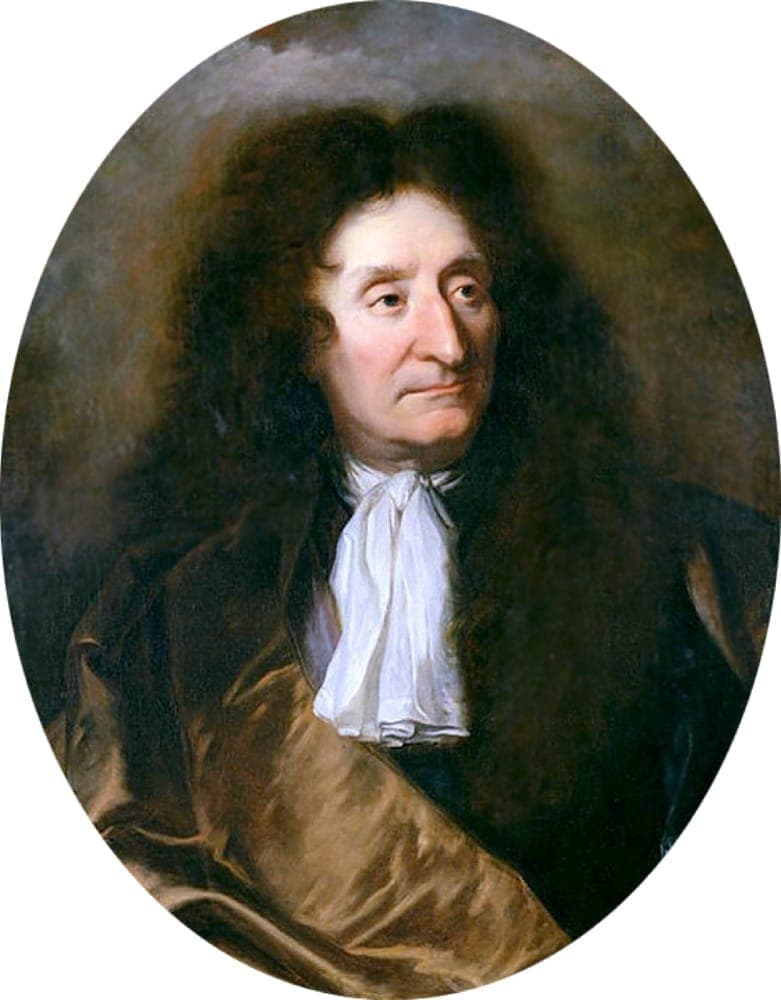
Author
Jean de La Fontaine
- Lived
- Lived 1621 to 1695
- From
- From French
Born on July 8, 1621, in Château-Thierry, a small town in the Champagne region of France, Jean de La Fontaine was the son of a royal forester whose post he would eventually inherit, spending much of his life among the woods and waters that fill his verse. He studied law in Paris, was admitted to the bar, and married Marie Héricart at twenty-six, though the marriage was unhappy and the couple soon lived apart. He was nearly forty before he found his form. The patronage of Nicolas Fouquet, the disgraced finance minister, gave him his start, and after Fouquet's fall La Fontaine moved through a succession of noble households, dependent always on the generosity of others. His Contes et Nouvelles en vers (1665), bawdy tales drawn from Boccaccio and Ariosto, brought him fame and a measure of scandal. Then came the work that secured him: the Fables (1668), drawn from Aesop, Phaedrus, and Indian sources, retelling the old animal stories in supple, varied verse that hides its art beneath an air of ease. Twelve books appeared across decades, the last in 1694. He wrote of crows and foxes, lions and frogs, and through them of kings, courtiers, and the small cruelties of men. Elected to the Académie française in 1684 over royal objection, he was a careless, dreaming man, famously absent-minded, beloved by friends including Molière, Racine, and Boileau. Late in life he renounced the licentious Contes and turned to devotion. He died in Paris on April 13, 1695, at the age of seventy-three, and was found after death to be wearing a hair shirt.
The first button needs the app on this device; the second gets it there.
In the canon
- The Grasshopper and the Ant (La Cigale et la Fourmi)1668
- Fables1668