
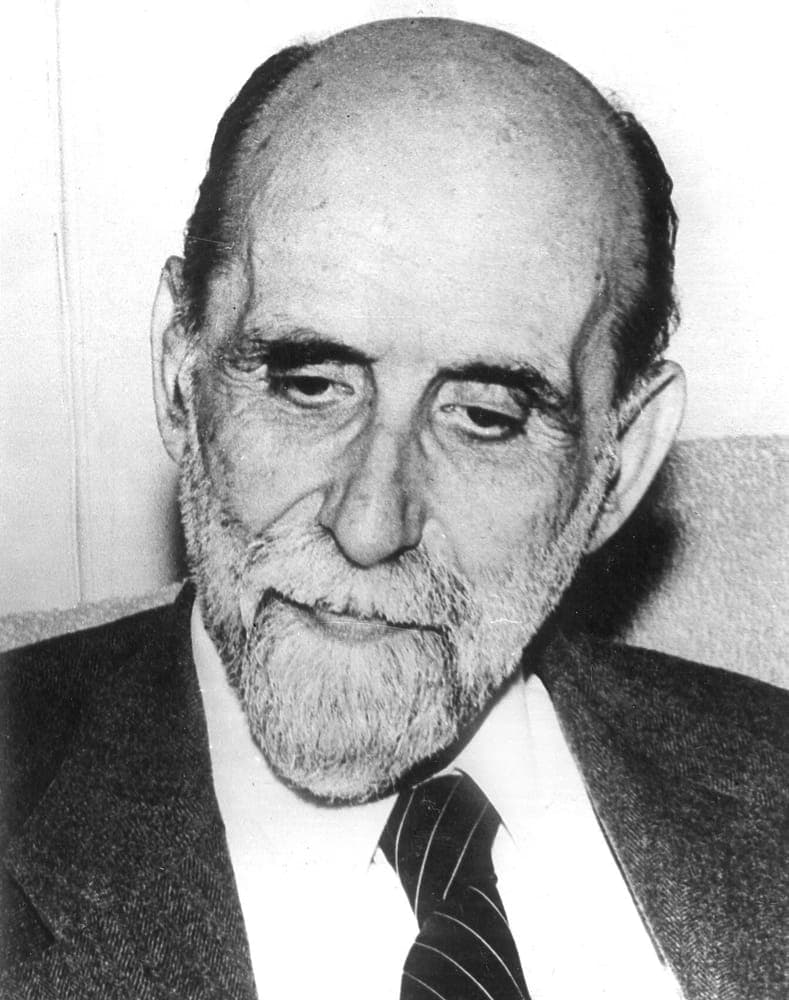
Author
Juan Ramón Jiménez
- Lived
- Lived 1881 to 1958
- From
- From Spanish
Born on December 23, 1881, in Moguer, a small Andalusian town near Huelva, to a wine-merchant family of comfortable means, Juan Ramón Jiménez was sent at eleven to the Jesuits at El Puerto de Santa María and later to the University of Seville to read law and study painting. He soon abandoned both for poetry, drawn to Rubén Darío and the French symbolists; his first two books appeared in 1900, when he was eighteen. His father's sudden death that same year triggered a long depression and a fear of dying that would haunt him to the end. He spent two years in a Madrid sanatorium staffed by novice nuns, who appear in his early erotic verse. Platero y yo (1914), a prose poem about a writer and his silver donkey wandering the streets of Moguer, became one of the most widely loved books in the Spanish language. He married Zenobia Camprubí in New York in 1916, a translator who collaborated with him on rendering Tagore into Spanish and managed his life thereafter. He shaped a generation, championing what he called pure poetry, his Madrid flat a salon where Lorca and Cernuda came as students. The Spanish Civil War drove the couple into exile in Puerto Rico, where Jiménez taught at the university. The 1956 Nobel Prize citation honoured the high spirit and artistic purity of his Spanish lyric; two days after the news reached him, Zenobia died of ovarian cancer. He never recovered. He died at the same clinic on May 29, 1958, at seventy-six, and was carried home to Moguer to lie beside her.
The first button needs the app on this device; the second gets it there.
In the canon
- Platero1914
- Time And Space1988