
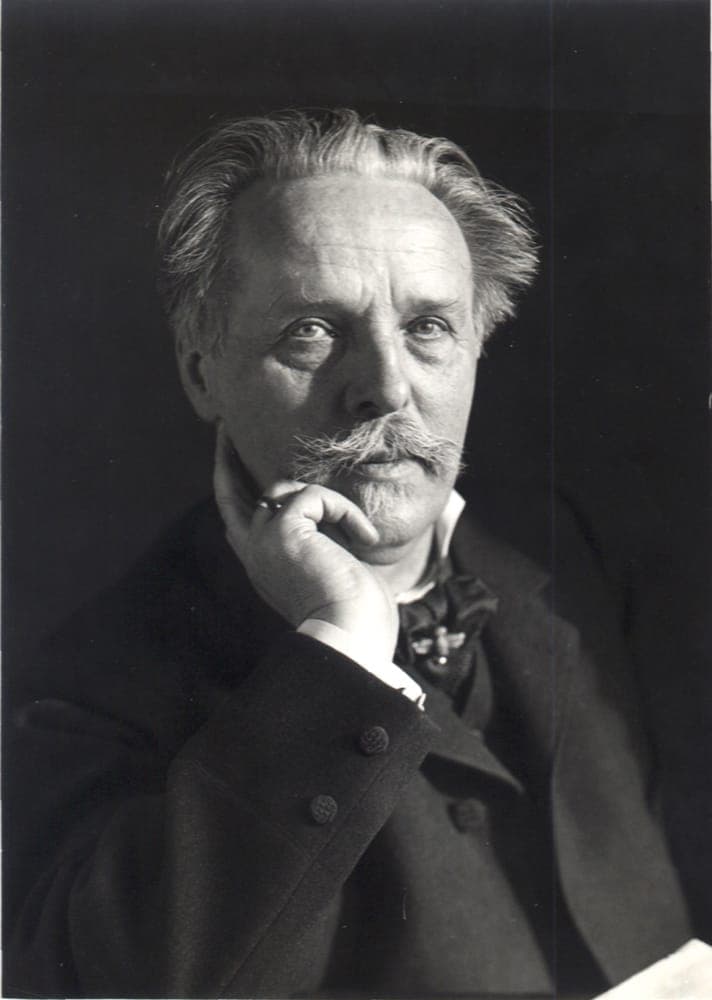
Author
Karl May
- Lived
- Lived 1842 to 1912
- From
- From German
Born Karl Friedrich May on February 25, 1842, in Ernstthal, Saxony, the fifth of fourteen children in a poor weaver's family, he went blind in infancy from malnutrition and did not recover his sight until the age of four or five. He trained as a schoolteacher but lost his license after being accused of theft, and his early adulthood dissolved into years of petty crime, fraud, and impersonation that sent him to prison repeatedly. In Waldheim penitentiary he began to read voraciously and to invent stories, and on his release he turned to writing for popular magazines. His great subject became the wider world he had never seen. Winnetou (1893), the saga of a noble Apache chief and his white blood brother Old Shatterhand, made him the best-selling German author of his era, alongside the Orient cycle that begins with Through the Desert (1892). He wrote dozens of volumes set in the American West and the Ottoman East, and for years told readers that he had personally lived the adventures of his narrators, even posing for photographs in buckskin. The deception collapsed into lawsuits and public scandal in his final decade. His books nonetheless sold in the tens of millions and shaped how generations of German children imagined the frontier; admirers later included figures as varied as Albert Einstein and Hermann Hesse. He made his first real journey to North America only in 1908, four years before his death. He died on March 30, 1912, in Radebeul near Dresden, at the age of seventy, days after delivering a final lecture on peace and idealism.
The first button needs the app on this device; the second gets it there.
In the canon
- Winnetou1893