
Author
Léopold Sédar Senghor
- Lived
- Lived 1906 to 2001
- From
- From Senegalese
- Born in
- Born in Joal, Senegal
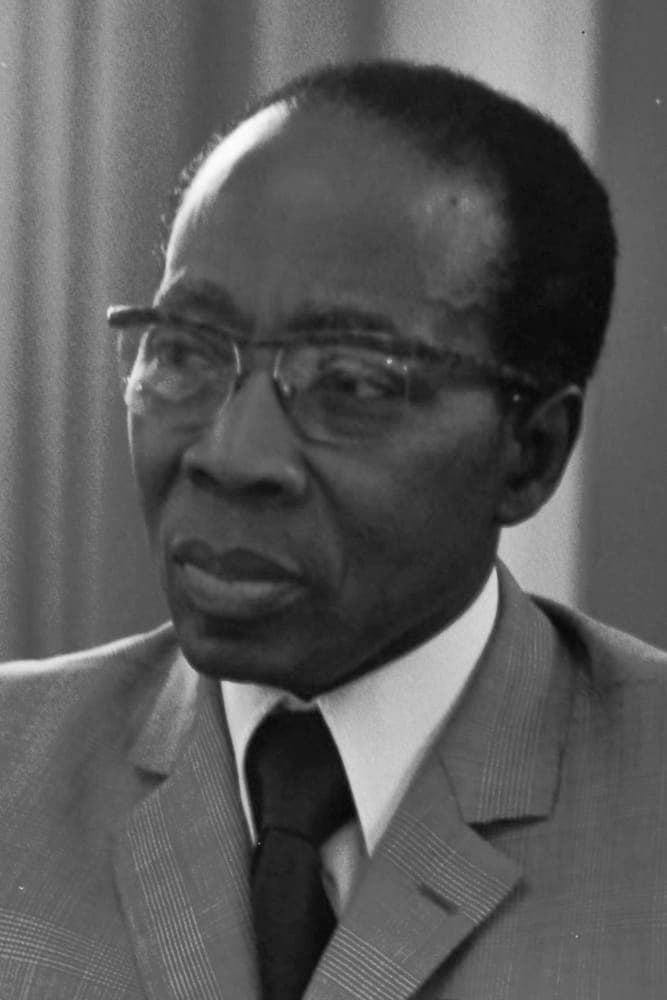
Born on 9 October 1906 in Joal, a small trading town on Senegal's Petite Côte, Senghor was the son of Basile Diogoye Senghor, a prosperous Serer peanut merchant, and Gnilane Ndiémé Bakhoum, a Muslim of Fula descent; he was raised in his father's Catholic faith. Sent to a Catholic mission boarding school at Ngasobil at eight and later to a seminary in Dakar, he abandoned the priesthood for secular study and, in 1928, sailed for France on a partial scholarship. At the Lycée Louis-le-Grand in Paris he befriended Georges Pompidou, a future French president, and in 1935 became the first Black African to pass the agrégation in French grammar. With Aimé Césaire and Léon Damas he founded the journal L'Étudiant noir and helped coin Négritude, a movement reclaiming Black identity and culture against French assimilationism. Captured by German forces in June 1940 and interned as a prisoner of war for two years, he wrote many of the poems that became Hosties noires (1948) while imprisoned. His first collection, Chants d'ombre (1945), including the poem "Femme noire," established him as a major poet; Sartre's preface to his 1948 anthology, "Orphée noir," carried the movement to a wider readership. Entering Senegalese politics after the war, Senghor co-founded the Senegalese Democratic Bloc, served in French governments, and in 1960 became the first president of newly independent Senegal, a post he held for twenty years while continuing to publish poetry and essays on African socialism. In 1980 he became the first African head of state to leave power voluntarily, handing the presidency to Abdou Diouf. Three years later he was elected the first African member of the Académie française. He spent his final two decades in Verson, Normandy, with his second wife, Colette, and died there on 20 December 2001 at the age of ninety-five.
In June 1940 near la Charité-sur-Loire, German soldiers moved to execute Senghor and the other captured African soldiers on the spot. He and his comrades shouted, "Vive la France, vive l'Afrique noire." A French officer intervened, warning that shooting them would dishonor the German army. Two years of internment followed instead of a firing squad.
The first button needs the app on this device; the second gets it there.
In the canon
- Femme noire (Black Woman)1945