
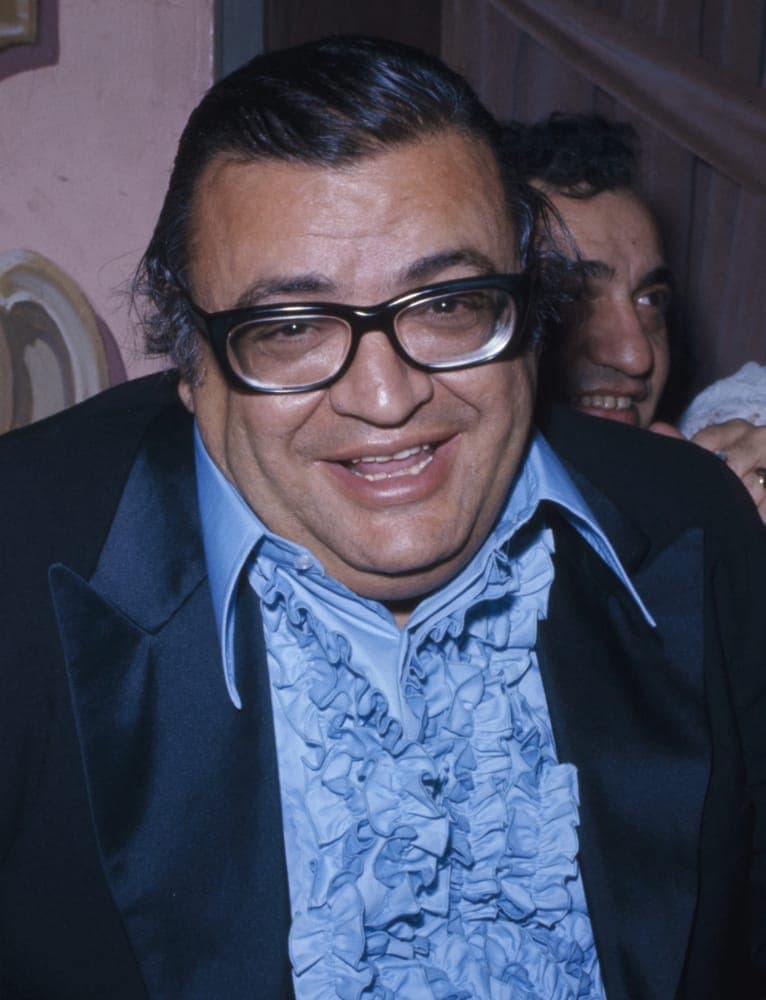
Author
Mario Puzo
- Lived
- Lived 1920 to 1999
- From
- From American
- Born in
- Born in Hell's Kitchen, Manhattan
Born Mario Francis Puzo on October 15, 1920, in Hell's Kitchen, Manhattan, the son of illiterate Neapolitan immigrants from the Province of Avellino, his father a trackman on the New York Central Railroad who was committed to the Pilgrim State Hospital for schizophrenia when Mario was twelve, leaving his mother Maria to raise seven children in a Tenth Avenue tenement. He served in the United States Army Air Forces in Germany during the Second World War and read his way through the public library on the GI Bill at City College. His first novel The Dark Arena (1955) drew on his army years in occupied Berlin. His second, The Fortunate Pilgrim (1965), a tender autobiographical portrait of his mother and the Italian-American Hell's Kitchen of his childhood, won critical praise and earned almost nothing. By his late forties he was supporting five children by writing pulp adventure for men's magazines under the pen name Mario Cleri, ten thousand dollars in gambling debts, and an idea his editor at Putnam suggested he turn into something larger. The Godfather (1969) sat on The New York Times bestseller list for sixty-seven weeks, sold over nine million copies in two years, and gave the language the offer you can't refuse and the Sicilian word omertà. He co-wrote the screenplays for Francis Ford Coppola's three Godfather films, sharing two Academy Awards for Best Adapted Screenplay, and wrote the original screenplay for the 1978 Superman. He always said the book was his act of professional cynicism and The Fortunate Pilgrim was the one he loved. He died of heart failure on July 2, 1999, at his home in West Bay Shore, Long Island, at the age of seventy-eight.
By his late forties, Puzo was writing pulp adventure stories under the pen name Mario Cleri to support five children, ten thousand dollars deep in gambling debts. His editor at Putnam suggested a book about the Mafia. Puzo had never so much as met a mafioso. He wrote The Godfather anyway, from research, borrowed color, and his mother's voice.
The first button needs the app on this device; the second gets it there.
In the canon
- The Godfather1969
- Fools Die1978