
Author
Miklós Bánffy
- Lived
- Lived 1873 to 1950
- From
- From Hungarian
- Born in
- Born in Kolozsvár, Austria-Hungary
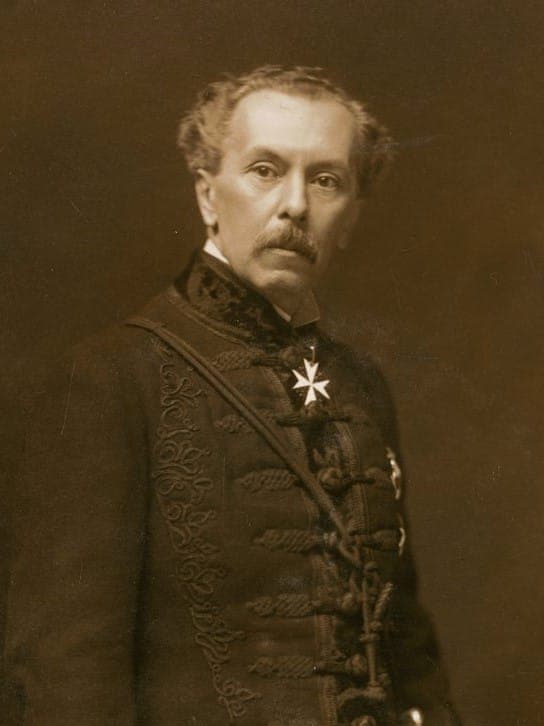
Count Miklós Bánffy de Losoncz was born on 30 December 1873 in Kolozsvár, Transylvania, then part of Austria-Hungary, into one of the oldest noble families in the kingdom, whose seat at Bonchida Castle was known as the Transylvanian Versailles. Trained as a painter and educated in law, he was elected to the Hungarian Parliament in 1901 and in 1913 became director of the Hungarian State Theatres and the Budapest Opera, a post he used to push through the long-rejected premiere of Béla Bartók's Bluebeard's Castle in 1918. In 1916 he designed and staged the coronation of Charles IV at Matthias Church, the last coronation the Habsburg monarchy would ever hold. From 1921 to 1922 he served as Hungary's Foreign Minister under his cousin, Prime Minister István Bethlen, negotiating the country's admission to the League of Nations before resigning on grounds of ill health. Retiring from politics in 1926, he returned to Transylvania, by then ceded to Romania, and founded a publishing house to support Hungarian-language writers under the new regime. In his fifties he wrote the Transylvanian Trilogy, They Were Counted, They Were Found Wanting and They Were Divided, a sweeping portrait of the Hungarian aristocracy sleepwalking toward its own ruin in the decade before the First World War. He married the actress Aranka Váradi in 1939, though their daughter Katalin had been born fifteen years earlier. A secret 1943 mission to broker a Romanian-Hungarian break from the Axis failed, and in reprisal retreating German troops burned and looted his family seat at Bonchida the following year. Stripped of his estates under Communist rule and refused a passport for four years, he finally crossed into Hungary in 1949, gravely ill, to rejoin his wife. He died in Budapest on 5 June 1950, in poverty, his novels banned at home and unread abroad, decades before their rediscovery restored him to the front rank of twentieth-century European fiction.
On 30 December 1916, Bánffy staged the last coronation the Habsburg monarchy would hold: he planned the ceremony at Matthias Church, lined Buda's streets with statue-topped pillars of his own design, and watched Charles IV crowned King of Hungary. The date happened to be his own forty-third birthday, though nothing in the pageantry he built let on.
The first button needs the app on this device; the second gets it there.