
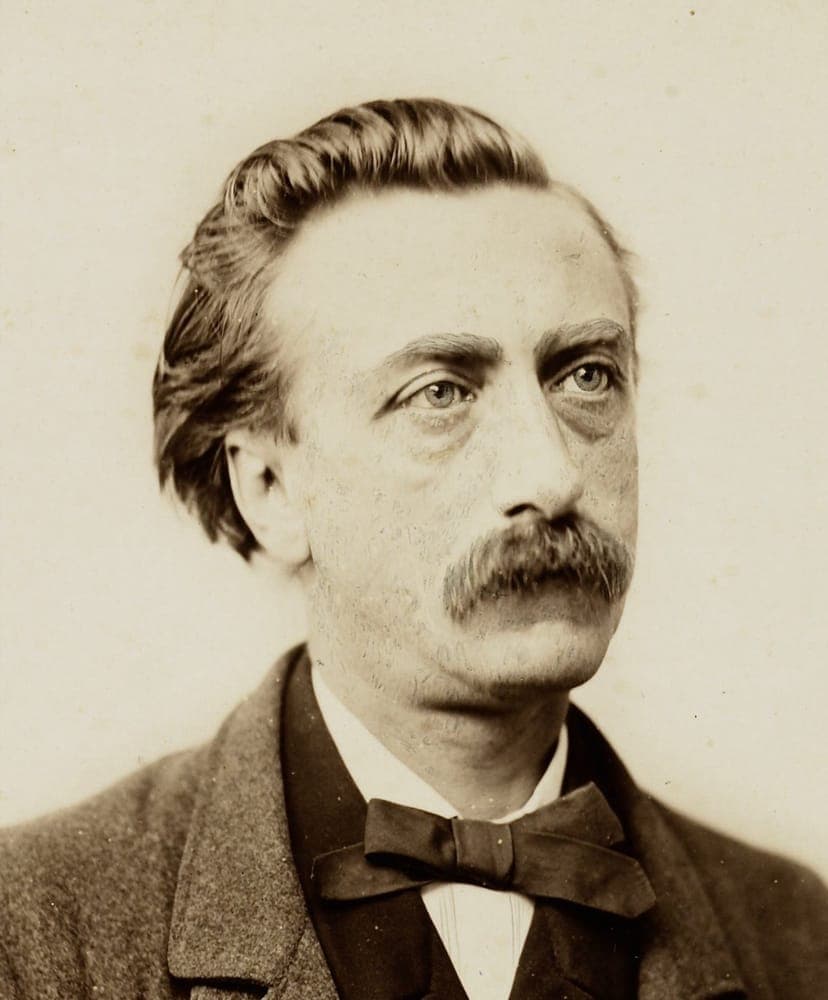
Author
Multatuli
- Lived
- Lived 1820 to 1887
- From
- From Dutch
- Born in
- Born in Amsterdam, Netherlands
Born Eduard Douwes Dekker on March 2, 1820, in Amsterdam, he was the son of a sea captain and grew up restless in a strict Mennonite household. He left a clerkship at eighteen and sailed for the Dutch East Indies, where he spent nearly two decades climbing the colonial civil service, from bookkeeper in Batavia to assistant resident at Lebak in Java. There he confronted the systematic extortion of Javanese peasants by their own regents under Dutch protection, demanded the prosecution of a corrupt local prince, was overruled by his superiors, and resigned in 1856, ruined and embittered. Years of poverty and compulsive gambling followed across Europe, much of it in the casinos of the Rhineland. In a Brussels hotel room in 1859 he wrote, in a matter of weeks, Max Havelaar (1860), a furious, formally inventive novel that exposed the abuses of the colonial coffee trade through nested narrators and an autobiographical reformer. He published it under the pen name Multatuli, Latin for "I have suffered much." The book detonated through Dutch society and pressed the question of colonial reform into national debate. He followed it with Minnebrieven (1861), the polemical Ideeën (1862-1877) in seven volumes, and the play Vorstenschool (1872). Restless, quarrelsome, and chronically broke, he became the great freethinker of nineteenth-century Dutch letters, scorning church and convention with a prose voice unlike anything before it. He died on February 19, 1887, at Nieder-Ingelheim in Germany, at the age of sixty-six. He was cremated, the first Dutchman to be cremated in the modern era, a final defiance of the religion he had spent his life resisting.
After seven volumes of Ideeën spanning fifteen years, in 1877 he abruptly put down the pen and never wrote again. Woutertje Pieterse, the boyhood story scattered through those volumes, stayed a heap of unfinished sketches; editors did not stitch it into a single book until after his death.
The first button needs the app on this device; the second gets it there.
In the canon
- Max Havelaar1860
- Ideas1862
- The Woutertje Pieterse Chronicles1890