
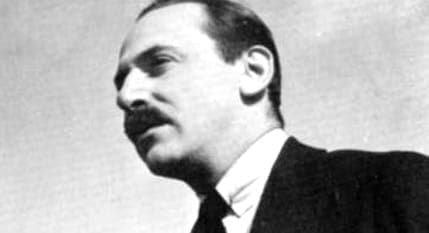
Author
Nathanael West
- Lived
- Lived 1903 to 1940
- From
- From American
- Born in
- Born in New York City, New York
Born Nathan Weinstein in New York City on 17 October 1903, the first child of Max Weinstein, a prosperous construction contractor, and Anuta Wallenstein, who came from Kovno in present-day Lithuania, he grew up in a Jewish neighbourhood on the Upper West Side. He dropped out of high school, forged his transcript to get into Tufts, was expelled, then transferred to Brown by appropriating a cousin's Tufts record, where he read French surrealists and the British Decadents in preference to his own coursework. After three months in Paris in 1926 he returned home as Nathanael West, took the night-shift managership of the Hotel Kenmore Hall on East 23rd Street, and rifled the registers for material. There he wrote Miss Lonelyhearts (1933), a novella about a male newspaper advice columnist crushed by the misery of his correspondents, generally taken as his finest book. A Cool Million (1934) parodied the Horatio Alger formula. He moved to Hollywood as a contract screenwriter for Columbia, scraped by on B movies, and there wrote The Day of the Locust (1939), a vision of Los Angeles as a city of failed dreamers ending in apocalyptic riot. His three novels together earned him less than eight hundred dollars in his lifetime, leaving him to write screenplays for B pictures. On 22 December 1940, the day after F. Scott Fitzgerald's death, West ran a stop sign in El Centro, California, returning from a hunting trip in Mexico, and was killed with his wife Eileen McKenney; they had been due in New York for the opening of the Broadway play My Sister Eileen, for which she had been the model. He was thirty-seven. W. H. Auden later coined the term West's disease for the spiritual poverty he had named.
As night manager of Manhattan's Hotel Kenmore Hall in the late 1920s, West let broke writer friends sleep free in empty rooms and pocketed nothing for it. Between shifts he read the registration cards of departed guests, mining strangers' names and debts for the comic material that became Miss Lonelyhearts.
The first button needs the app on this device; the second gets it there.
In the canon
- Miss Lonelyhearts1933
- The Day of the Locust1939