
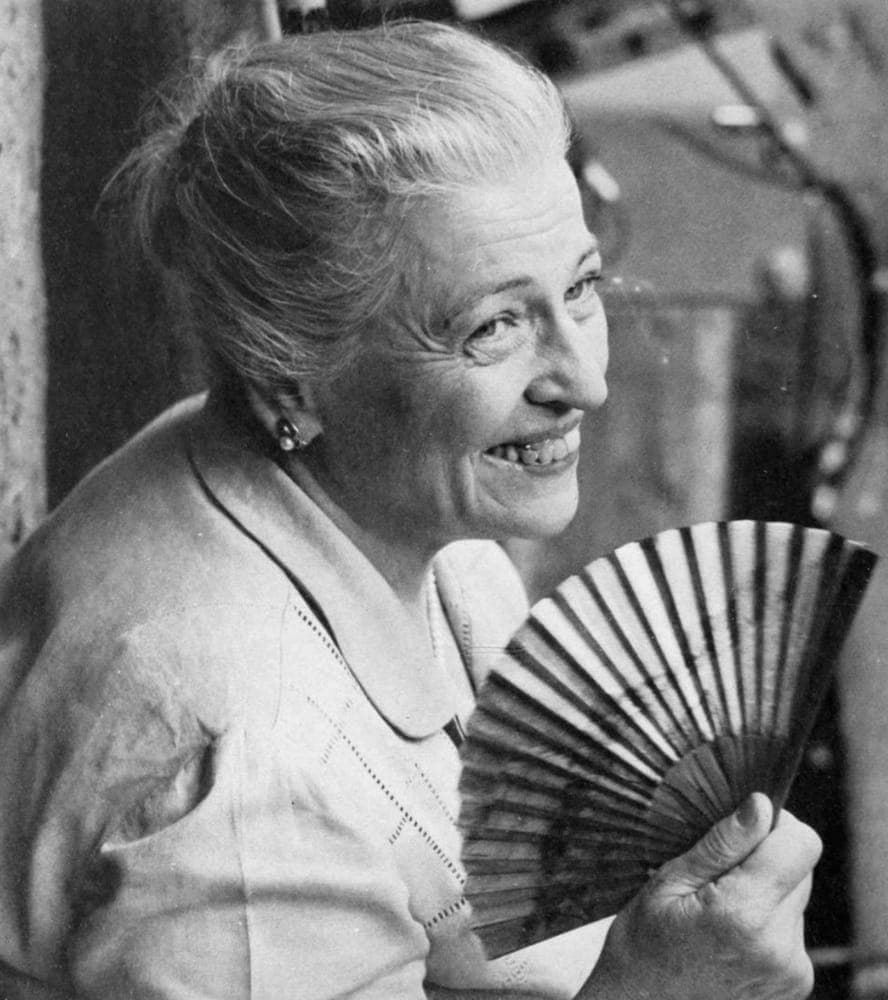
Author
Pearl S. Buck
- Lived
- Lived 1892 to 1973
- From
- From American
- Born in
- Born in Hillsboro, West Virginia
Born Pearl Comfort Sydenstricker on June 26, 1892, in Hillsboro, West Virginia, to Southern Presbyterian missionaries home from China for her birth, she was carried back to Zhenjiang at five months old and grew up bilingual, tutored in English by her mother and in classical Chinese by a scholar named Mr. Kung, with her father's stone villa at Kuling for the summers. She lived through the Boxer Uprising, was sent for safety to Shanghai, and read Dickens once a year for the rest of her life. She graduated from Randolph-Macon Woman's College in 1914 and returned to China, where in 1917 she married the agricultural missionary John Lossing Buck and settled in Nanjing. Her daughter Carol, born in 1920, had phenylketonuria; a hysterectomy ended any possibility of more biological children. In 1927, during the Nanking Incident, the family hid all day in a poor neighbour's mud hut while their home was looted, an experience that turned her against missionary triumphalism. East Wind: West Wind (1930) was her first novel. The Good Earth (1931), the story of the peasant farmer Wang Lung and the silent O-lan, was the best-selling novel in America for two years running and won the Pulitzer Prize in 1932. Sons and A House Divided completed the trilogy. In 1938 she became the first American woman to win the Nobel Prize in Literature, the citation praising her "rich and truly epic descriptions of peasant life in China." She married the publisher Richard Walsh in 1935 and adopted seven more children. She founded Welcome House, the first interracial adoption agency in the United States. She died on March 6, 1973, at her Vermont home, aged eighty.
At seven, in the family's house in China, Pearl found a copy of Oliver Twist on a high shelf and began reading at three in the afternoon. She did not stop until the supper bell rang at six. She read every other book on that shelf over the next decade, but Dickens stayed with her longest.
The first button needs the app on this device; the second gets it there.
In the canon
- The Good Earth1931