
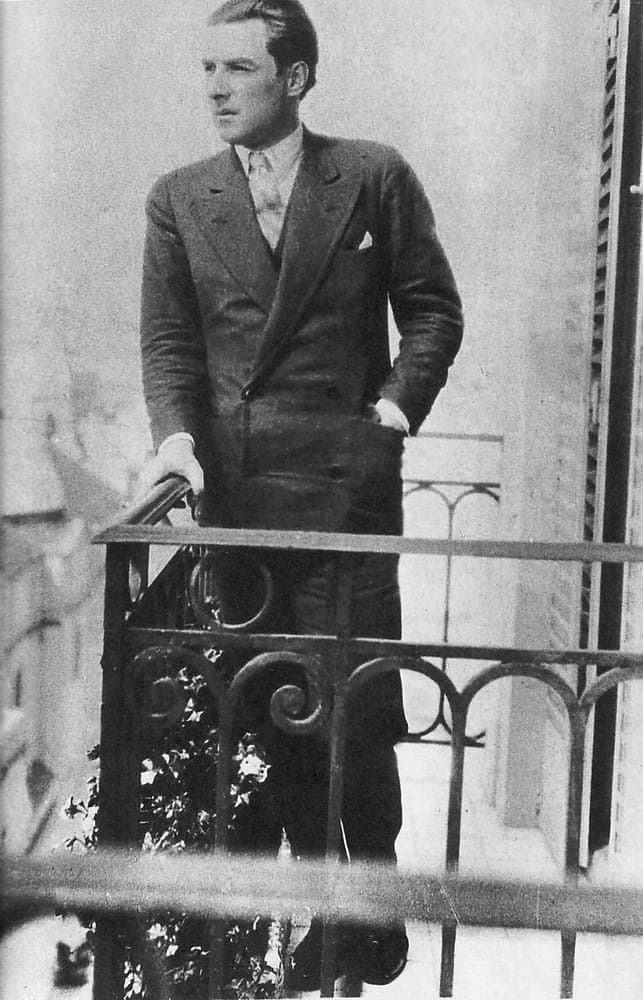
Author
Roberto Arlt
- Lived
- Lived 1900 to 1942
- From
- From Argentine
- Born in
- Born in Buenos Aires, Argentina
Born on 26 April 1900 in the Flores neighborhood of Buenos Aires, Roberto Arlt was the son of Karl Arlt, an immigrant from Prussian Posen, and Ekatherine Lobstraibitzer, an Austro-Hungarian from Trieste; German, not Spanish, was the language of the house, and Arlt grew up feeling like a foreigner in his own city. He left school as a teenager with little formal education, teaching himself in Buenos Aires's public libraries while cycling through jobs as a bookstore clerk, house painter, mechanic, and dockworker before turning to journalism around 1916. In 1924 he became secretary to the novelist Ricardo Güiraldes, who read the manuscript of Arlt's first novel and steered its coarse working title, La vida puerca, toward the one it was published under in 1926, El juguete rabioso. Two years later he began Aguafuertes porteñas, a daily column of Buenos Aires street life for the newspaper El Mundo that he kept writing for the rest of his career. His major novels, Los siete locos (1929) and its sequel Los lanzallamas (1931), follow a conspiracy of failed inventors and petty criminals plotting an occult revolution, in a feverish, ungrammatical Spanish that establishment critics of the day dismissed as barely literate. He also wrote for the stage, most notably the Pirandellian comedy Saverio el cruel (1936). He married Carmen Antinucci in 1922; she died in 1940, and months later he married Elizabeth Shine. Arlt collapsed from cardiac arrest in Buenos Aires on 26 July 1942, at forty-two, and was cremated, his ashes scattered in the Paraná River. Largely dismissed in his own lifetime, he was reclaimed a generation later as one of the essential modern voices of Argentine fiction.
In 1924, working as secretary to the novelist Ricardo Güiraldes at the magazine Proa, Arlt showed him a manuscript titled 'La vida puerca,' The Filthy Life. Güiraldes warned the title would scandalize readers. Arlt renamed it 'El juguete rabioso' before its 1926 publication.
The first button needs the app on this device; the second gets it there.
In the canon
- The Seven Madmen1929
- Los lanzallamas1931