
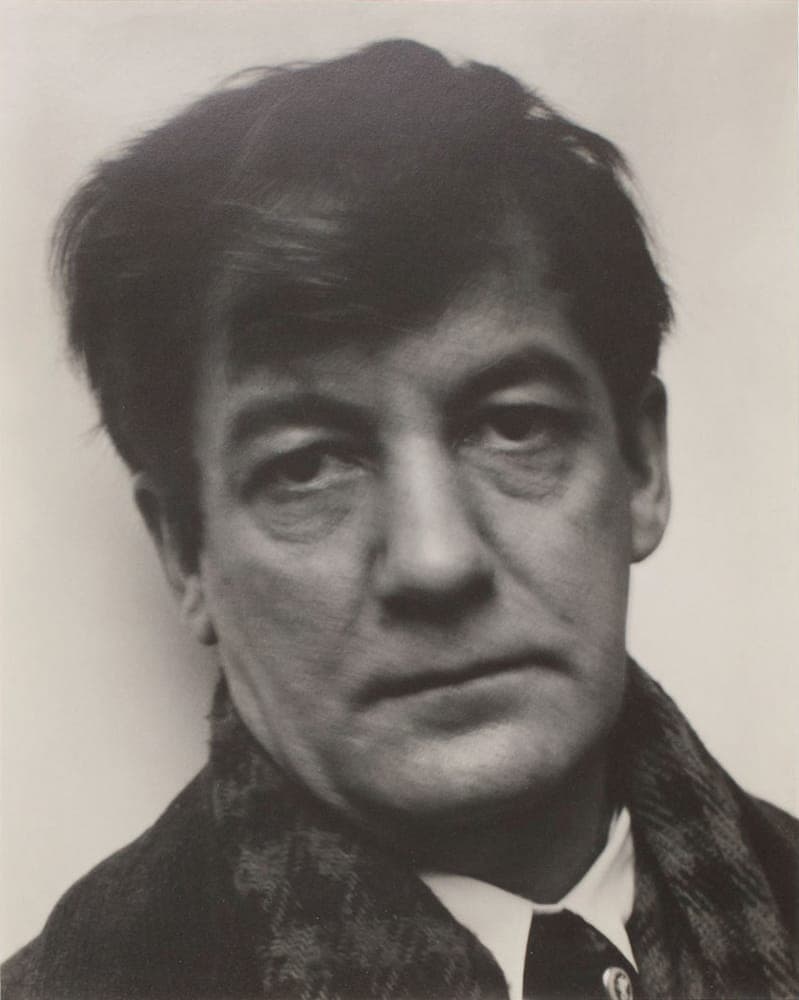
Author
Sherwood Anderson
- Lived
- Lived 1876 to 1941
- From
- From American
Born Sherwood Berton Anderson on September 13, 1876, in Camden, Ohio, the third of seven children of an Union army veteran turned harness-maker whose drinking ruined the family's modest fortunes, he left school at fourteen after only nine months of high school and earned the nickname Jobby from the variety of odd jobs he scrambled to take. His mother died of tuberculosis when he was eighteen. The Andersons eventually settled in Clyde, Ohio, a town of about twenty-five hundred that would later furnish the geography of Winesburg. He fought briefly in Cuba in 1898, returned to take a senior year at Wittenberg Academy in Springfield, and rose through Chicago advertising into a respectable paint manufacturing post in Elyria, Ohio. On November 27, 1912, at thirty-six, he walked out of his Elyria factory in mid-sentence to his secretary, wandered around Cleveland for four days in a fugue, and reinvented himself as a writer in Chicago. The mental break became his founding legend. Windy McPherson's Son (1916) and Marching Men (1917) preceded the breakthrough. Winesburg, Ohio (1919), a sequence of twenty-two interconnected stories around the boy reporter George Willard, gave American literature its first sustained portrait of small-town inner life and influenced everyone from Hemingway to Faulkner, both of whom acknowledged the debt. Poor White (1920), The Triumph of the Egg (1921), and Dark Laughter (1925), his only bestseller, followed. He married four times, ran two small Virginia newspapers, and travelled widely. He died on March 8, 1941, aboard a cruise ship in the Panama Canal Zone, at the age of sixty-four, of peritonitis after swallowing a toothpick lodged in a martini olive.
The first button needs the app on this device; the second gets it there.
In the canon
- Winesburg, Ohio1919
- Hands1919
- Paper Pills1919
- Mother1919
- The Philosopher1919
- Nobody Knows1919
- Adventure1919
- Loneliness1919
- An Awakening1919
- Sophistication1919
- Departure1919