
Author
Winston Churchill
- Lived
- Lived 1874 to 1965
- From
- From British
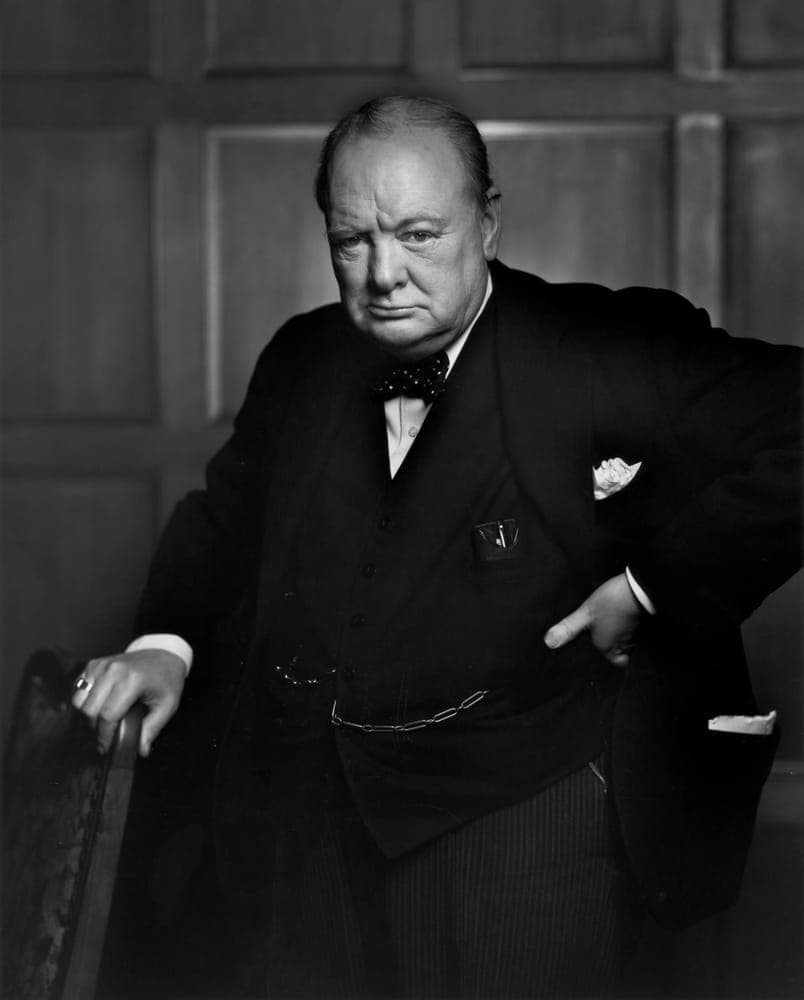
Born on November 30, 1874, at Blenheim Palace in Oxfordshire, Winston Leonard Spencer Churchill entered the world the grandson of the seventh Duke of Marlborough and the son of an American heiress, Jennie Jerome, and the Conservative politician Lord Randolph Churchill. Raised largely by his nanny Elizabeth Everest, whom he later called his dearest intimate friend, he was sent to Harrow and then Sandhurst, where he qualified as a cavalry cadet in 1893. He saw action in Cuba, India, and the Sudan, and reported on the Mahdist War for the Daily Graphic. The River War (1899) followed his charge with the 21st Lancers at Omdurman. Captured in the Second Boer War, he escaped from a Pretoria prison camp and rode that fame into Parliament in 1900. Across the next six decades he held nearly every great office of state, from First Lord of the Admiralty to Chancellor of the Exchequer to, in May 1940, Prime Minister, succeeding Neville Chamberlain on the day Germany invaded the Low Countries. His wartime broadcasts, blood and toil and tears and sweat, fight on the beaches, became the auditory spine of British resistance. Out of office after 1945, he wrote The Second World War, six volumes that earned him the Nobel Prize in Literature in 1953, the citation honouring his oratory in defence of exalted human values. He returned to Downing Street in 1951 and resigned in 1955 in declining health. He suffered a stroke on January 10, 1965, and died fourteen days later at his London home in Hyde Park Gate, aged ninety. His state funeral was the first granted to a commoner in the twentieth century.
The first button needs the app on this device; the second gets it there.
In the canon
- The River War1899
- My Early Life1930
- The Second World War1948
- Blood, Toil, Tears and Sweat: The Great Speeches1989