
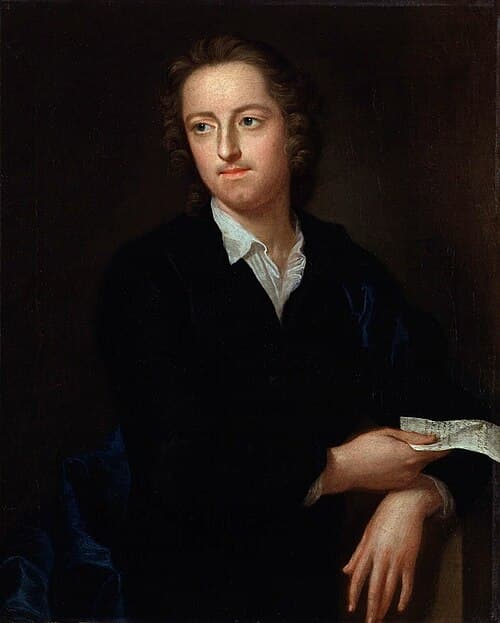
The curfew tolls the knell of parting day; a plowman trudges home, the light leaves the fields, and one man is left among the slanting headstones of a country churchyard as the dark comes on. What Thomas Gray does here had scarcely been done before. He turns the full ceremonial weight of elegy, the grand form built for the great and the mourned, upon the people beneath the rudest stones, the farm laborers no chronicle will ever name. He wonders what they might have been: some mute inglorious Milton, some village Hampden who once faced down a petty local tyrant, and he asks whether a life lived unknown is a loss or a mercy, a sparing from the world's worst temptations. Then comes the quiet miracle. The poem turns, and the man grieving strangers begins, without quite saying so, to grieve himself, to picture the hour some kindred spirit reads his own stone. Few poems have made such tenderness out of the fear of being forgotten.