
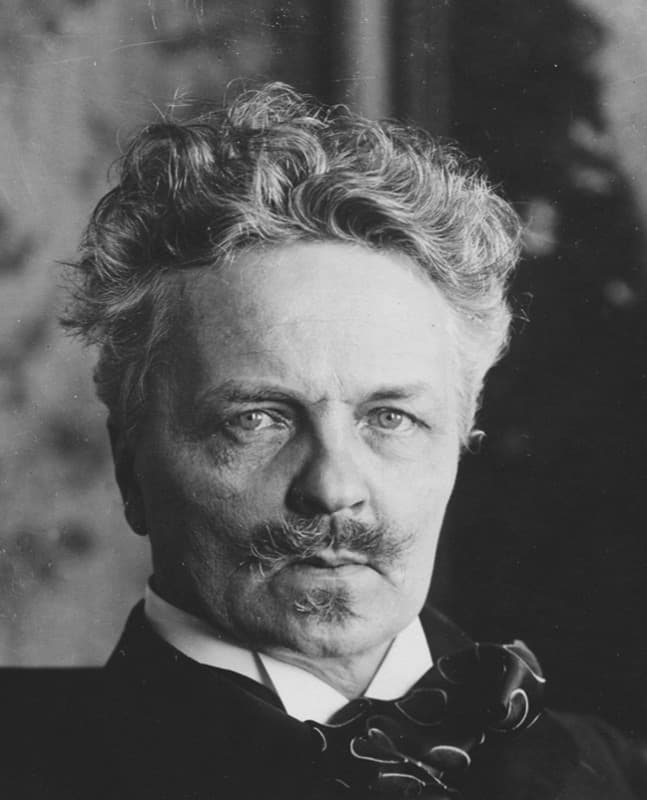
The count is away, the midsummer bonfire is burning in the yard, and his daughter has come down to the kitchen to dance with the servants. Julie tells the valet Jean a recurring dream: she has climbed to the top of a high column and cannot get down again, only longing to fall. Jean dreams the reverse, of lying beneath a tall tree he aches to climb. Two dreams, one falling and one rising, and Strindberg sets them loose in a single room over one unbroken night to grind against each other. He prefaced the play insisting his people were not types but living contradictions, half-noble and half-brutal by turns, and Julie and Jean prove him right at every line: she is never only the count's daughter, he is never only the boot-black. That is what makes the warm kitchen so dangerous. When the class line they cross snaps back into place, it falls on the one who had the farther height to lose, and the count's bell, ringing through the wall, settles the rest.