
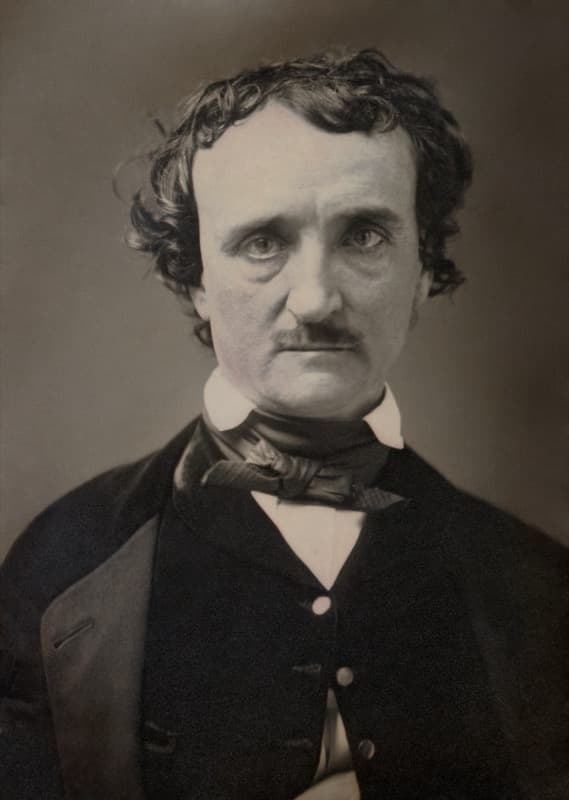
Listen to how calmly he explains it. Edgar Allan Poe's narrator wants nothing but to prove he is sane, and so he walks you through it with the patience of a man who has rehearsed: how for seven nights he eased a lantern's thread of light across a sleeping old man's face, waiting for the one pale, filmed vulture eye to open. He killed for the eye, not the man. He buried the body beneath the floorboards and sat the arriving police directly above it, easy and victorious. The whole story is a confession the narrator mistakes for an explanation, and every protest of his clear mind only tightens the proof against him. Then he begins to hear it: a low, quick beating he cannot silence, swelling under the boards until it fills the room, the house, his skull. The Tell-Tale Heart knows the oldest terror is the one you carry inside you, growing louder the harder you pretend not to hear.