
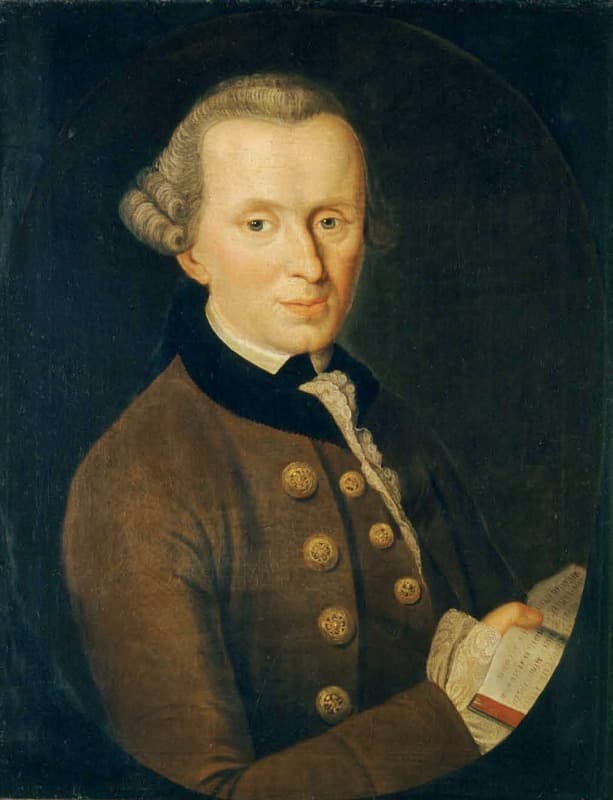
Immanuel Kant · 1781
74 chapters · 199,155 words
Preface to the First Edition (1781)
Preface to the Second Edition (1787)
Introduction: Of the Difference between Pure and Empirical Knowledge
Introduction: The Human Intellect, Even in an Unphilosophical State, Is in Possession of Certain Cognitions “à priori”
Introduction: Philosophy Stands in Need of a Science Which Shall Determine the Possibility, Principles, and Extent of Human Knowledge “à priori”
Introduction: Of the Difference between Analytical and Synthetical Judgements
Introduction: In All Theoretical Sciences of Reason, Synthetical Judgements “à priori” Are Contained as Principles
Introduction: The Universal Problem of Pure Reason
Introduction: Idea and Division of a Particular Science, under the Name of a Critique of Pure Reason
Transcendental Aesthetic: Introductory
Transcendental Aesthetic: Of Space
Transcendental Aesthetic: Of Time
Transcendental Aesthetic: General Remarks on the Transcendental Aesthetic
Transcendental Logic: Introduction
Transcendental Analytic: Of the Logical Use of the Understanding
Transcendental Analytic: Of the Logical Function of the Understanding in Judgements
Transcendental Analytic: Of the Pure Conceptions of the Understanding, or Categories
Transcendental Analytic: Of the Principles of a Transcendental Deduction
Transcendental Analytic: Of the Originally Synthetical Unity of Apperception
Transcendental Analytic: Of the Application of the Categories to Objects of the Senses
Transcendental Analytic: The Schematism of the Pure Conceptions of the Understanding
Transcendental Analytic: Of the Supreme Principle of All Analytical Judgements
Transcendental Analytic: Of the Supreme Principle of All Synthetical Judgements
Transcendental Analytic: Of the Axioms of Intuition
Transcendental Analytic: Of the Anticipations of Perception
Transcendental Analytic: The Analogies of Experience (First Analogy)
Transcendental Analytic: The Second Analogy
Transcendental Analytic: The Third Analogy
Transcendental Analytic: The Postulates of Empirical Thought
Transcendental Analytic: The Refutation of Idealism
Transcendental Analytic: General Remark on the System of Principles
Transcendental Analytic: Phenomena and Noumena
Transcendental Analytic: Appendix (On the Amphiboly of the Concepts of Reflection)
Transcendental Dialectic: Of Transcendental Illusory Appearance
Transcendental Dialectic: Of Pure Reason as the Seat of Transcendental Illusory Appearance
Transcendental Dialectic: Of Ideas in General
Transcendental Dialectic: Of Transcendental Ideas
Transcendental Dialectic: System of Transcendental Ideas
Transcendental Dialectic: The Paralogisms of Pure Reason
Transcendental Dialectic: General Remark on the Paralogisms of Pure Reason
Transcendental Dialectic: The System of Cosmological Ideas
Transcendental Dialectic: The Antithetic of Pure Reason
Transcendental Dialectic: First Conflict of the Transcendental Ideas
Transcendental Dialectic: Second Conflict of the Transcendental Ideas
Transcendental Dialectic: Third Conflict of the Transcendental Ideas
Transcendental Dialectic: Fourth Conflict of the Transcendental Ideas
Transcendental Dialectic: Of the Interest of Reason in These Self-Contradictions
Transcendental Dialectic: Of the Necessity Imposed upon Pure Reason of Presenting a Solution of Its Transcendental Problems
Transcendental Dialectic: Sceptical Exposition of the Cosmological Problems Presented in the Four Transcendental Ideas
Transcendental Dialectic: Transcendental Idealism as the Key to the Solution of Pure Cosmological Dialectic
Transcendental Dialectic: Critical Solution of the Cosmological Problem
Transcendental Dialectic: Regulative Principle of Pure Reason in Relation to the Cosmological Ideas
Transcendental Dialectic: Solution of the Cosmological Idea of the Totality of the Composition of Phenomena
Transcendental Dialectic: Solution of the Cosmological Idea of the Totality of the Division of a Whole Given in Intuition
Transcendental Dialectic: Solution of the Cosmological Idea of the Totality of the Deduction of Cosmical Events from Their Causes
Transcendental Dialectic: Solution of the Cosmological Idea of the Totality of the Dependence of Phenomenal Existences
Transcendental Dialectic: Of the Ideal in General
Transcendental Dialectic: Of the Transcendental Ideal
Transcendental Dialectic: Of the Arguments Employed by Speculative Reason in Proof of the Existence of a Supreme Being
Transcendental Dialectic: Of the Impossibility of an Ontological Proof of the Existence of God
Transcendental Dialectic: Of the Impossibility of a Cosmological Proof of the Existence of God
Transcendental Dialectic: Of the Impossibility of a Physico-Theological Proof
Transcendental Dialectic: Critique of All Theology Based upon Speculative Principles of Reason
Transcendental Dialectic: Of the Regulative Employment of the Ideas of Pure Reason
Transcendental Dialectic: Of the Ultimate End of the Natural Dialectic of Human Reason
Transcendental Doctrine of Method: The Discipline of Pure Reason in the Sphere of Dogmatism
Transcendental Doctrine of Method: The Discipline of Pure Reason in Polemics
Transcendental Doctrine of Method: The Discipline of Pure Reason in Hypothesis
Transcendental Doctrine of Method: The Discipline of Pure Reason in Relation to Proofs
Transcendental Doctrine of Method: Of the Ultimate End of the Pure Use of Reason
Transcendental Doctrine of Method: Of the Ideal of the Summum Bonum as a Determining Ground of the Ultimate End of Pure Reason
Transcendental Doctrine of Method: Of Opinion, Knowledge, and Belief
Transcendental Doctrine of Method: The Architectonic of Pure Reason
Transcendental Doctrine of Method: The History of Pure Reason