

Author
Bartolomé de Las Casas
- Lived
- Lived 1484 to 1566
- From
- From Spanish
- Born in
- Born in Seville, Spain
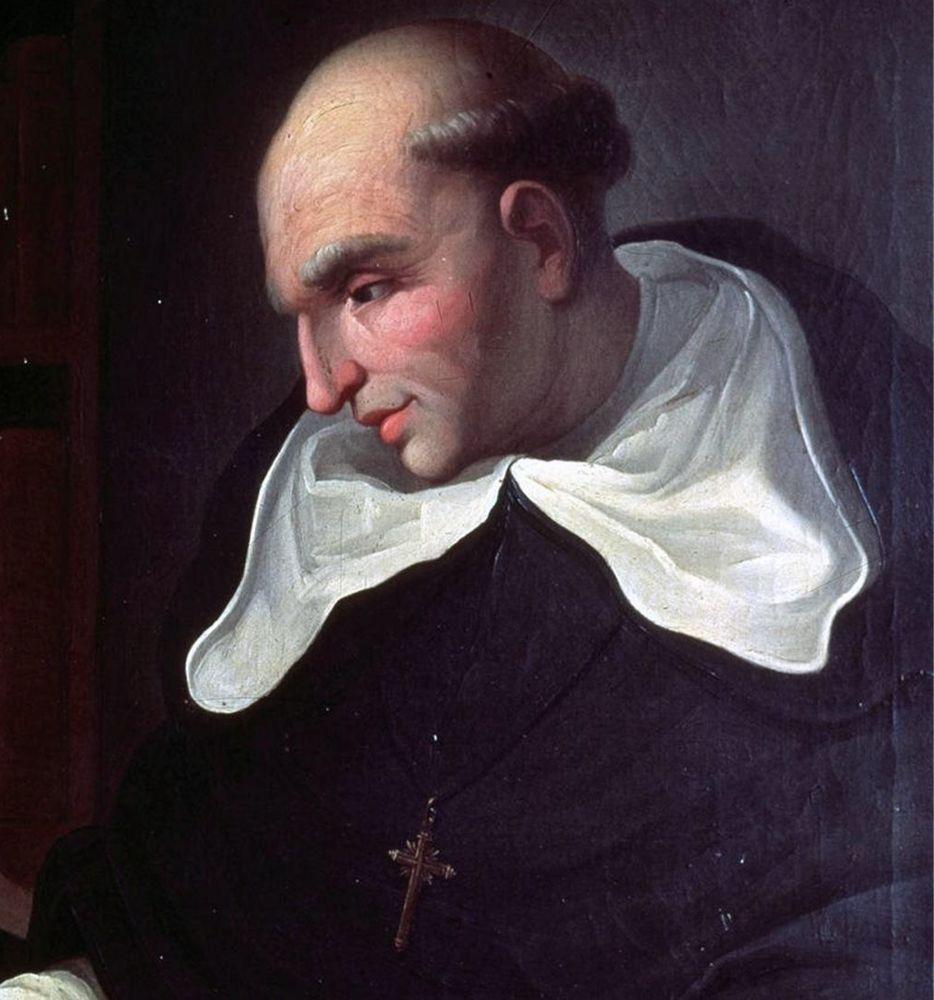
Bartolomé de Las Casas was born in Seville in 1484, the son of Pedro de las Casas, a merchant; for centuries his birth was put at 1474, until archival work in the 1970s moved it ten years later, and the exact day remains a scholars' inference. As a boy of eight he saw the people Columbus had brought back from the Caribbean in the streets in 1493, and his father sailed on the Admiral's second voyage. In 1502 he went out to Hispaniola with the governor Nicolás de Ovando, held land and labourers of his own, and rode on raids against the Taíno. He was ordained a priest, and in 1513 he served as chaplain to Pánfilo de Narváez in the conquest of Cuba, where he witnessed the massacre at Caonao and was rewarded with an encomienda. In 1514 he gave it up and began the campaign that filled the rest of his life. He crossed the Atlantic repeatedly to press his case at the court of the young Charles V, tried and failed to found a peaceful farming colony at Cumaná in 1521, and entered the Dominican order in Santo Domingo in 1522. In the 1530s he worked in Guatemala, where the friars' peaceful mission into the Land of War gave the region its name, Verapaz. His lobbying helped bring about the New Laws of 1542, which forbade the enslavement of Indigenous people, and in 1544 he was consecrated bishop of Chiapas, where the settlers' fury drove him from his diocese in 1546, never to return. Back in Spain he argued against Juan Ginés de Sepúlveda at Valladolid in 1550 and 1551, and in 1552 he had A Short Account of the Destruction of the Indies, written ten years earlier for the emperor, printed in Seville. His History of the Indies, which preserves his abstract of Columbus's journal of the first voyage, stayed in manuscript. He died in Madrid on 18 July 1566. No likeness made in his lifetime survives; the portrait shown here is an anonymous painting made after his death.
Preparing a sermon for Pentecost in Cuba in 1514, Las Casas, a priest who held Taíno labourers of his own, came upon a verse in Ecclesiasticus: 'The bread of the needy is their life; he that defraudeth him thereof is a man of blood.' He went to the governor, Diego Velázquez, and handed his Indians back.
The first button needs the app on this device; the second gets it there.
In the canon
- A Short Account of the Destruction of the Indies1552