

Author
Ben Jonson
- Lived
- Lived 1572 to 1637
- From
- From English
- Born in
- Born in London, England
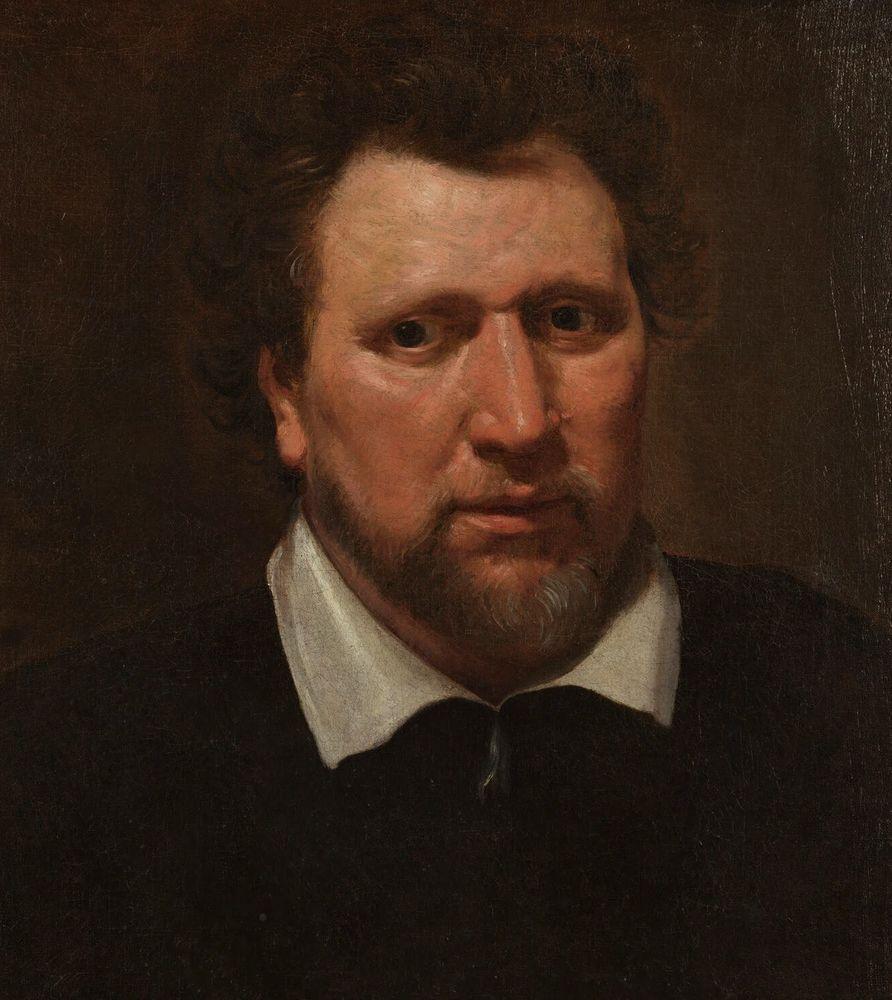
Ben Jonson was born in 1572, probably on 11 June and in or near London, about a month after the death of his father, a minister; his mother soon married a bricklayer, Robert Brett, and the boy grew up in Westminster. A friend paid for him to attend Westminster School, where he was taught by the antiquary William Camden, the master he later thanked for "all that I am in arts, all that I know." Taken out of school to lay bricks, he went off to soldier in the Low Countries, came home, married Anne Lewis in 1594, and by 1597 was acting and writing for the London companies. That year he was jailed for his share in the lost satire The Isle of Dogs, and in 1598 he killed a fellow actor in a duel and came close to hanging. The same autumn the Lord Chamberlain's Men staged his Every Man in His Humour and made his name. He turned Catholic in prison and stayed one for twelve years, was jailed again in 1605 over the anti-Scottish jokes in Eastward Ho!, and that same year began his long partnership with the architect Inigo Jones on the court masques of James I with The Masque of Blackness. His great comedies followed: Volpone (1606), Epicoene (1609), The Alchemist (1610) and Bartholomew Fair (1614). In 1616 he gathered his plays, poems and masques into a folio called The Works, a dignity no English playwright had claimed for plays before, and the King granted him a pension for life. He wrote the poem that stands at the front of Shakespeare's First Folio in 1623, presided over a circle of younger poets who called themselves the Sons of Ben, and went on writing after a stroke in 1628 left him largely confined to his rooms. He died at Westminster in August 1637 and was buried in Westminster Abbey.
In September 1598 Jonson stood indicted for manslaughter, having killed the actor Gabriel Spencer in a duel in Hoxton Fields. He confessed. What saved him from hanging was a Latin verse, the 'neck verse': a man who could read it could claim benefit of clergy. He read it, was branded on the thumb and lost his goods.
The first button needs the app on this device; the second gets it there.
In the canon
- Volpone1606
- Bartholomew Fair1614