
Author
Eileen Chang
- Lived
- Lived 1920 to 1995
- From
- From Chinese-American
- Born in
- Born in Shanghai, China
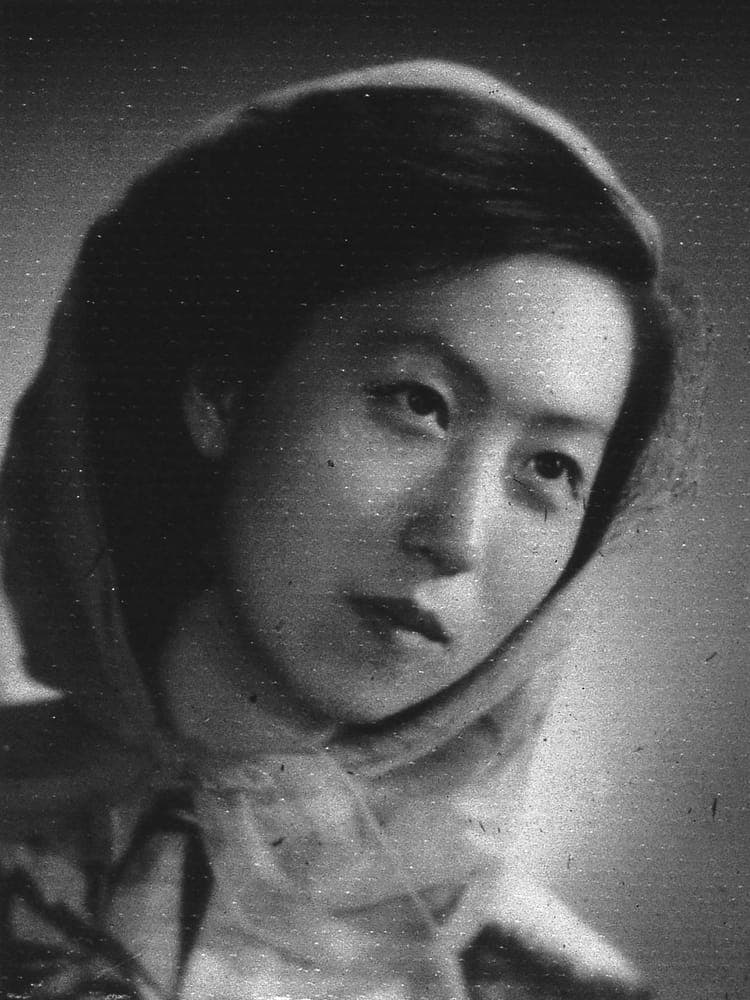
Eileen Chang, born Zhang Ying in Shanghai on September 30, 1920, was, on her father's side, a granddaughter of the Qing official Zhang Peilun and a great-granddaughter of the statesman Li Hongzhang, and grew up in a family whose fortunes were already fading. Her parents divorced when she was a child, and her adolescence was split between a stern, opium-smoking father and a mother who travelled abroad. She studied at St. Mary's Hall in Shanghai, graduating in 1937, and was admitted to the University of London in 1939, but the war sent her instead to the University of Hong Kong. She was one semester short of her degree when Japan took the colony in December 1941, and she made her way back to Shanghai in 1942. There, in 1943 and 1944, she wrote the stories on which her reputation still stands, including The Golden Cangue, Love in a Fallen City and Red Rose, White Rose, and became the most talked-about young writer in the occupied city. Her prose joins the manner of the classical Chinese novel to a modern, unsparing eye for money, family and the small cruelties of courtship. She married the writer Hu Lancheng in 1944 and divorced him in 1947. After the Communist victory she left the mainland for Hong Kong in 1952, where she wrote the novels The Rice-Sprout Song and Naked Earth, then settled in the United States in 1955 and married the American playwright Ferdinand Reyher the following year. She became an American citizen in 1960, and moved to Los Angeles in 1972, living more and more privately. In 1979 she published the novella Lust, Caution, drafted decades earlier, and spent years on her late autobiographical novels, which were published only after her death. She died in her Westwood apartment in September 1995, aged 74. Admired for decades in Taiwan and Hong Kong, she reached English readers fully only when Love in a Fallen City appeared in 2007.
In December 1941 Chang was a student at the University of Hong Kong, one semester short of her degree, when Japan attacked the colony. The siege lasted eighteen days, the university shut, and in May 1942 she went home to Shanghai. Within two years she was publishing the stories that made her name, among them Love in a Fallen City.
The first button needs the app on this device; the second gets it there.
In the canon
- Love In A Fallen City1943