

Author
Eusebius
- Lived
- Lived 260 CE to 339 CE
- From
- From Greek
- Born in
- Born in Caesarea Maritima, Palestine
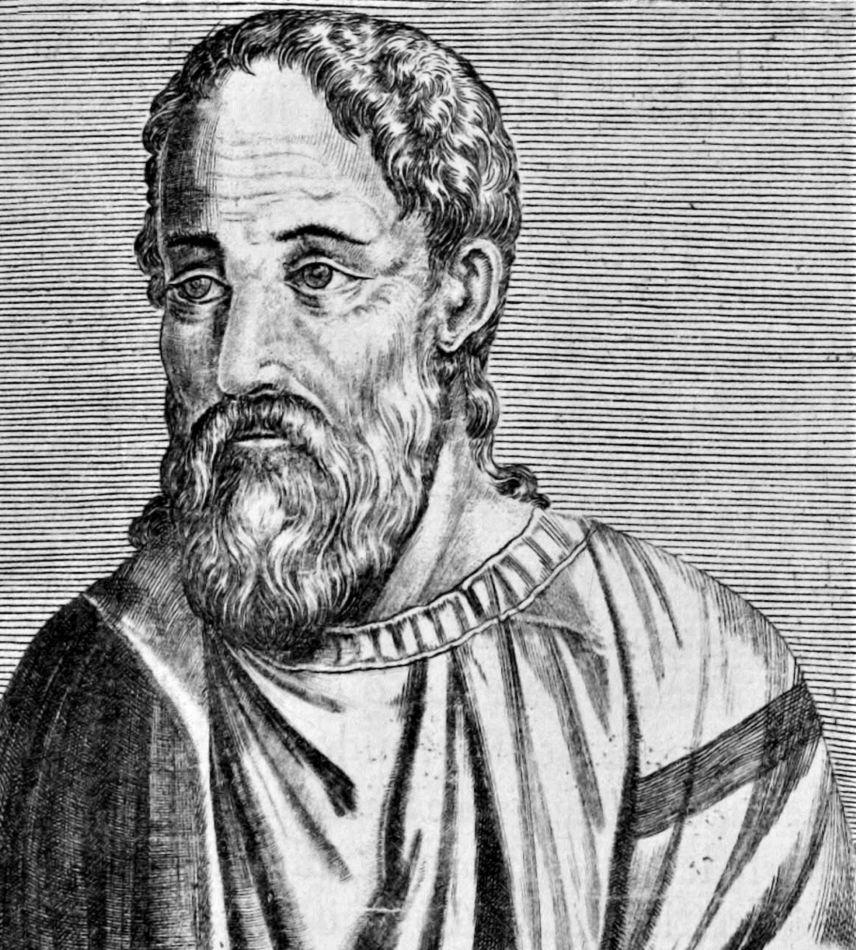
Eusebius was born around 260, probably at Caesarea Maritima, the Roman capital of Palestine, and nothing is known of his parents. As a young man he attached himself to Pamphilus, a learned presbyter who had built up the Christian library at Caesarea around the books and papers of Origen, and he took his teacher's name, calling himself Eusebius Pamphili, Eusebius of Pamphilus. Among those shelves he began a Chronicle setting the histories of the nations side by side from Abraham onwards, and the first books of an Ecclesiastical History, the story of the church from the apostles to his own day. Then came the Great Persecution of 303. Eusebius watched Christians die in Palestine and in Egypt, and when Pamphilus was arrested in 307 the two of them wrote a Defence of Origen together in prison; after two years in his cell Pamphilus was beheaded. Around 314, with the persecution over, Eusebius became bishop of Caesarea. He carried the History through new editions until about 325, ending on the victory of Constantine, and wrote the Preparation for the Gospel, the Onomasticon, a gazetteer of biblical places, and the canon tables that let a reader find one story in all four gospels. Drawn to Arius's side in the quarrel over the nature of Christ, he was provisionally condemned by a synod at Antioch early in 325, and at the Council of Nicaea that summer he put forward the creed of his own church, signed the council's and explained himself in a letter home. Constantine came to value him: Eusebius declined the see of Antioch when it was offered, supplied fifty copies of the Scriptures for the new capital, and in 336 praised the emperor to his face at the thirtieth anniversary of his reign. After Constantine died in 337 he wrote his Life, and he died at Caesarea, still its bishop, on 30 May 339 or 340. His History, built from documents he copied whole, is the reason so much of the earliest church is known at all.
In the worst years of the persecution Eusebius stood in the Thebaid, in Upper Egypt, and watched Christians put to death in crowds, sometimes a hundred in a single day. He wrote that the sword was blunted and broke from use, that the executioners grew weary and took turns, and that the condemned sang hymns to their last breath.
The first button needs the app on this device; the second gets it there.
In the canon
- The History of the Church325 CE