
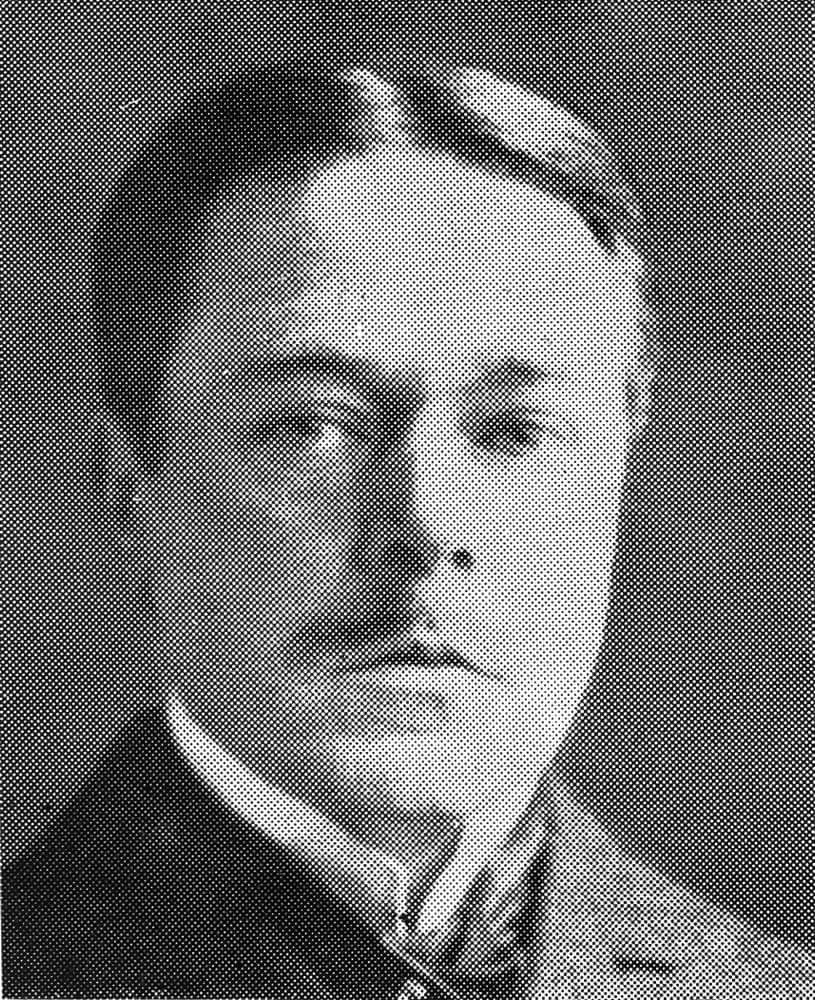
Author
Hjalmar Söderberg
- Lived
- Lived 1869 to 1941
- From
- From Swedish
- Born in
- Born in Stockholm, Sweden
Hjalmar Söderberg was born on July 2, 1869, on Grev Turegatan in Stockholm, the son of Fredrik Söderberg, a clerk at the Kammarkollegium, and Emilia Brander. At the Norra Latin school he made lifelong friends of the poet Bo Bergman and the critic Carl G. Laurin; he spent a single term at Uppsala in 1890 and drew a small wage from the customs board while he learned to write. After a few months on a newspaper in Kristianstad he settled into Stockholm journalism, and from 1897 spent more than eleven years at Svenska Dagbladet, where he reviewed some one hundred and fifty plays. His first novel, Delusions (1895), followed an idle young man through the cafés and love affairs of the capital and was denounced as immoral, which earned him the name of the seducer of youth. Martin Birck's Youth (1901), a partly autobiographical portrait of a melancholy clerk who wants to be a poet, brought his breakthrough, and Doctor Glas (1905), the diary of a Stockholm physician who resolves to poison a pastor for the sake of the pastor's young wife, set off a public quarrel over its morals. A secret and unhappy affair with Maria von Platen runs through the play Gertrud (1906) and the novel The Serious Game (1912), the story of a love that outlasts two marriages. His own marriage to Märta Abenius, which gave him three children, came apart; from 1906 he spent long spells in Copenhagen, and in 1917 he married Emilie Voss, the Danish mother of his daughter Betty, and settled there for good. His later books argued with Christianity, Jesus Barabbas (1928) claiming that Jesus and Barabbas were one man, and from 1925 his articles in Göteborgs Handels- och Sjöfartstidning made him one of the earliest and sharpest Swedish opponents of Nazism. He died in Copenhagen on October 14, 1941, during the German occupation, and a bronze statue of him now stands outside the Royal Library in Stockholm's Humlegården.
Wahlström & Widstrand turned down his first novel, Delusions, although the firm had already bought a small vignette he drew, which became its logo. Bonniers published the book in 1895, and Harald Molander's review condemned it as immoral. Söderberg later thanked him for it: the outcry meant the book was not left to be hanged in silence.
The first button needs the app on this device; the second gets it there.