

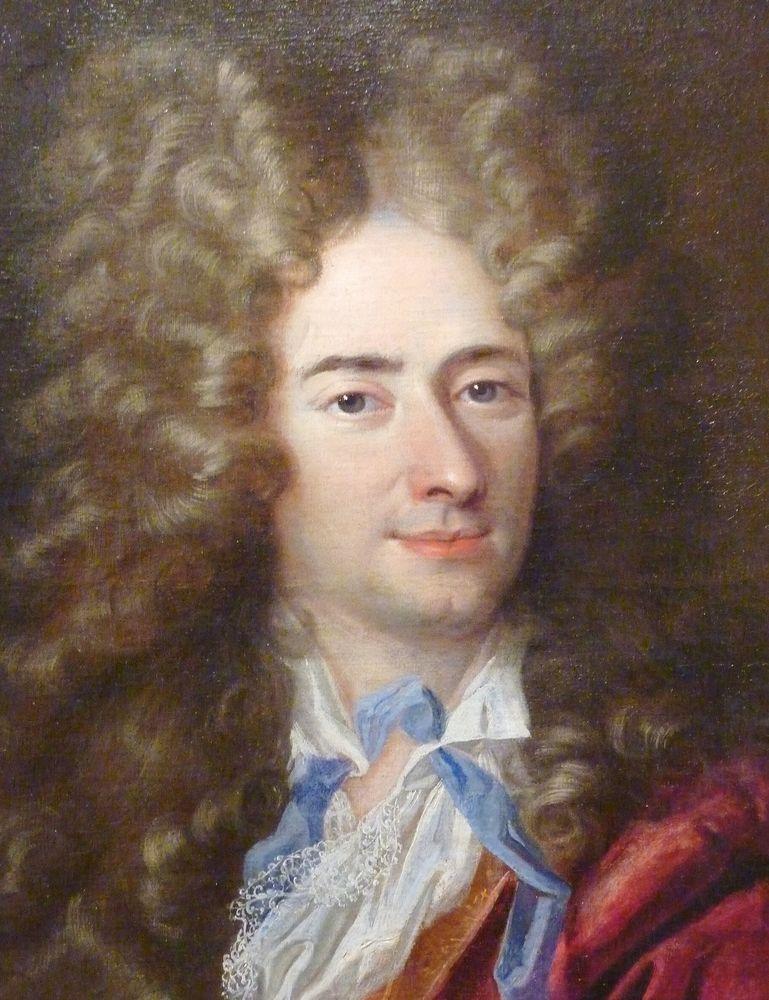
Author
Jean de La Bruyère
- Lived
- Lived 1645 to 1696
- From
- From French
- Born in
- Born in Paris, France
Jean de La Bruyère was baptised in Paris on August 17, 1645, at the church of Saint-Christophe on the Île de la Cité, the son of Louis de La Bruyère, a controller of municipal annuities, and Élisabeth Hamonyn, the daughter of a lawyer at the Châtelet. He was probably schooled by the Oratorians, read Greek and German at a time when few men of letters did, and in June 1665 took his licence in law at the University of Orléans. He was called to the Paris bar but seldom pleaded. An inheritance from an uncle let him buy, in 1673, the office of treasurer of France in the finance bureau at Caen, a post that brought an income and the rank of squire. In August 1684, on the recommendation of Bossuet, he entered the household of the Grand Condé as one of the tutors of the prince's grandson, the young duc de Bourbon, and of his bride, Mademoiselle de Nantes, a daughter of Louis XIV. He stayed with the Condés for the rest of his life, lodging at Chantilly, Versailles and the Petit Luxembourg and watching the court at close quarters. What he saw went into Les Caractères (1688), published by Étienne Michallet as a translation of the Greek moralist Theophrastus followed by his own portraits and maxims. It was an immediate success, and with every edition he added more, the fourth of 1689 alone bringing over 350 new remarks, until the eighth, in 1694, held some 1,120. His name appeared on none of the editions printed in his lifetime. Elected to the Académie française in 1693 after earlier defeats, he gave a reception speech that set Racine above Corneille and made lasting enemies among the Moderns. He died suddenly of apoplexy at Versailles on the night of May 10, 1696, at fifty, leaving his Dialogues on Quietism unfinished.
On 15 June 1693, received at last into the Académie française, La Bruyère gave a speech praising the living: Bossuet, Boileau, La Fontaine, and Racine, whom he set above Corneille. Corneille's brother Thomas and his nephew Fontenelle took lasting offence. La Bruyère answered their attacks in print, and put Fontenelle into his next edition as the wit Cydias.
The first button needs the app on this device; the second gets it there.
In the canon
- Characters1688
- Les Caractères1688