

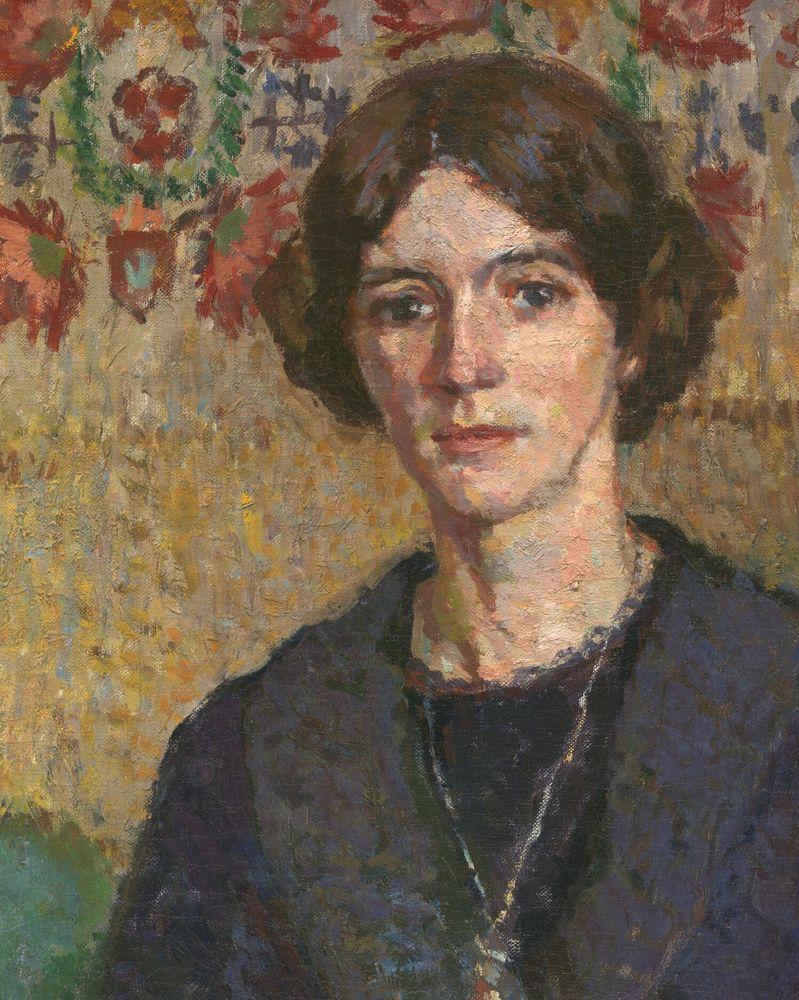
Author
Margery Williams
- Lived
- Lived 1881 to 1944
- From
- From English-American
- Born in
- Born in London, England
Born Margery Winifred Williams on July 22, 1881, in London, the second daughter of Robert Williams, a barrister, and Florence Harper, she was raised by a father who read to his girls and urged them to live in their imaginations, and she was seven when he died suddenly. The loss stayed in everything she later wrote. In 1890 her mother took the family to the United States, and a year later to a farming community in rural Pennsylvania, and she was schooled at the Convent School in Sharon Hill until 1898. At nineteen she went back to London on her own to sell a novel, and The Late Returning appeared in 1902, followed by The Price of Youth and The Bar; none sold well. At her publisher's she met Francesco Bianco, an Italian bookman, and married him in 1904. They had a son, Cecco, and a daughter, Pamela, and lived in Paris, where Francesco ran the rare books department at Brentano's, and then in Turin, where he left to serve in the Italian army in the First World War. In these years she also wrote a horror novel, The Thing in the Woods. Pamela proved a prodigy whose drawings were exhibited in London in 1919, and in 1921 the family settled in Greenwich Village, New York. The next year she published The Velveteen Rabbit, with pictures by William Nicholson, the story of a stuffed toy who learns from the Skin Horse what it means to be Real. It made her name. Poor Cecco and The Little Wooden Doll followed in 1925, The Skin Horse in 1927, the last two illustrated by Pamela, and in later years she wrote novels for older children, among them Winterbound (1936), runner-up for the Newbery Medal. She died in New York City on September 4, 1944, aged sixty-three, as her last book, Forward Commandos!, reached the shops.
Through the First World War, with Francesco in the Italian army, she kept house in Turin with two children and read Walter de la Mare, the poet she called her "spiritual mentor." In 1919 the mentor answered: after Pamela's drawings were shown in London, de la Mare wrote poems to go with them, and the two appeared together as Flora.
The first button needs the app on this device; the second gets it there.
In the canon
- The Velveteen Rabbit1922