
Author
Oksana Zabuzhko
- Lived
- Lived born 1960
- From
- From Ukrainian
- Born in
- Born in Lutsk, Ukraine
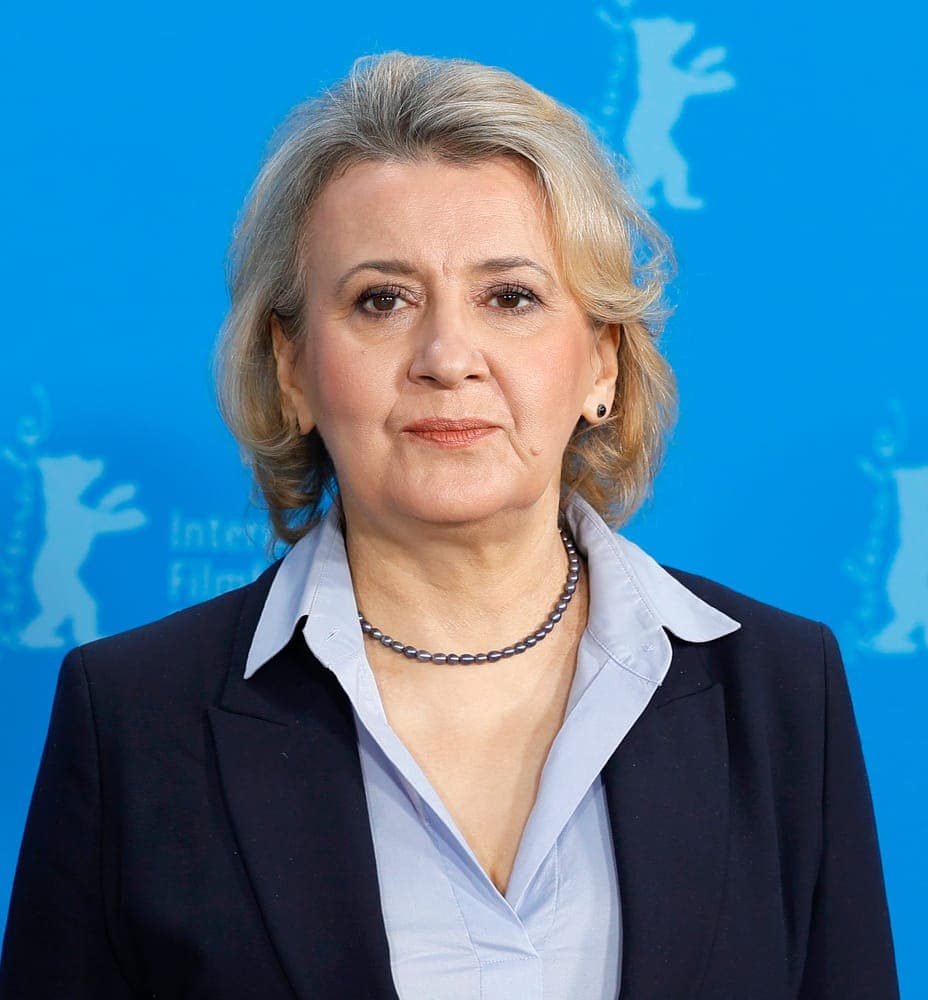
Oksana Zabuzhko was born on September 19, 1960, in Lutsk, in western Ukraine, the daughter of two teachers: her father, Stefan Zabuzhko, was a literary critic and translator who had been repressed under Stalin, and her mother, Nadiya, taught Ukrainian literature. The family settled in Kyiv in 1968. She was making up verse before she could write it down and first appeared in print at nine, but a collection planned for 1973 was pulled from production when her parents were blacklisted in the repressions of 1972, and her first book, May Hoarfrost, did not appear until 1985. She studied philosophy at Kyiv University, took her doctorate in aesthetics in 1987 with a dissertation on the nature of lyric poetry, and from 1989 worked as a researcher at the Institute of Philosophy of the Ukrainian Academy of Sciences. In 1992 she taught at Penn State as a visiting writer, and in 1994, on a Fulbright, she taught Ukrainian literature at Harvard and the University of Pittsburgh. Her first novel, Fieldwork in Ukrainian Sex (1996), follows a Ukrainian poet teaching in America as she picks apart a ruinous love affair and the national history tangled up in it. It caused a storm among critics and readers alike, and it has since been translated into some fifteen languages; Halyna Hryn's English version appeared in 2011. She wrote studies of Taras Shevchenko and, in Notre Dame d'Ukraine (2007), of the poet Lesia Ukrainka, and served as vice-president of PEN Ukraine from 1995 to 2010. The Museum of Abandoned Secrets (2009), a family saga moving between the Second World War, the 1970s and the early 2000s, was named the best Ukrainian book of 2010 by Korrespondent magazine and won the Angelus Central European Literary Award in 2013 in its Polish translation. Her essay collection And Again I Get Into the Tank won the Shevchenko National Prize in 2019, and in 2023 the BBC named her among its 100 Women. She lives in Kyiv with her husband, the artist Rostyslav Luzhetsky.
Zabuzhko was making up poems before she could write them down, and first appeared in print at nine. A debut collection, Spring Watercolour, was set for 1973; then, in the repressions of 1972, her parents were blacklisted and the book was pulled from production. She later thanked Soviet power for ending her 'literary career' before she learned to please editors.
The first button needs the app on this device; the second gets it there.
In the canon
- Fieldwork In Ukrainian Sex1996