

Author
Patanjali
- Lived
- Lived 350 CE to 450 CE
- From
- From Indian
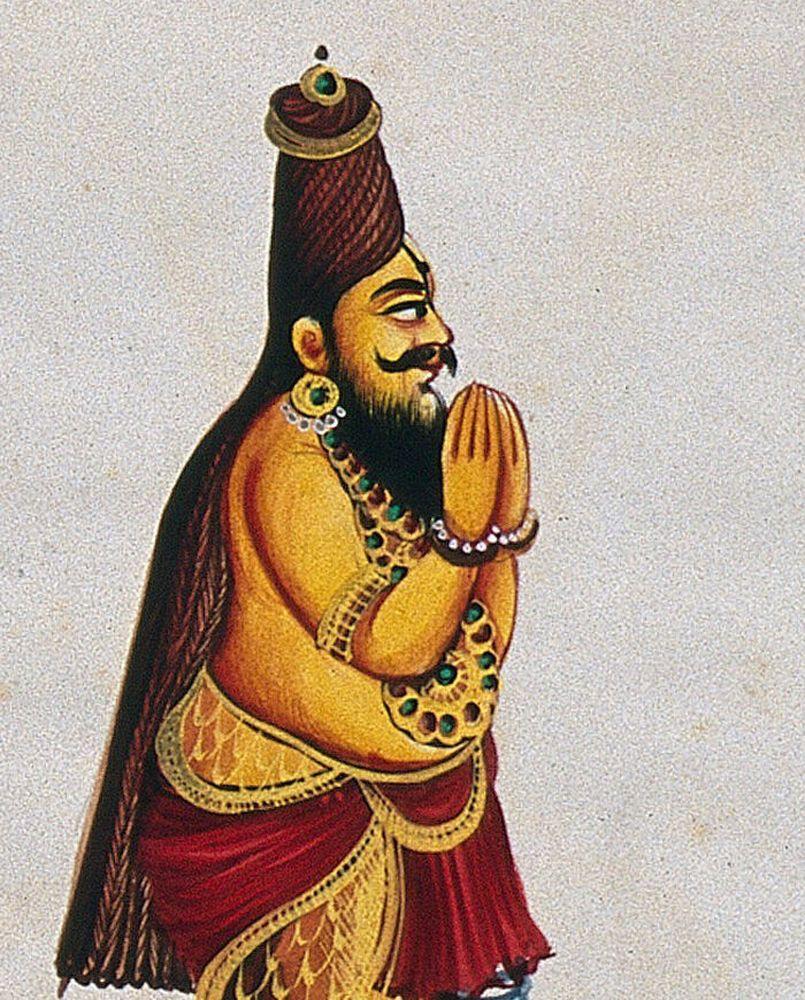
Almost nothing is known of the life of Patanjali, the compiler of the Yoga Sutras, and even his century is in dispute. Scholars have placed the text anywhere between the second century BCE and the fifth century CE; Edwin Bryant reports that most date it shortly after the turn of the Common Era, while Philipp Maas, reading it beside the Buddhist philosopher Vasubandhu, sets it at about 400 CE. The years given here, 350 and 450, are a conventional placement around Maas's date, not a record of a birth or a death, and no birth date survives. Nor is it settled who he was. A grammarian named Patanjali wrote the Mahabhashya, the great commentary on Panini's grammar, in the mid-second century BCE, and a Patanjali is also credited with a work on medicine; no surviving text joins the three into one man before King Bhoja of Dhara in the eleventh century, and Louis Renou showed that the language of the grammar and of the yoga text differ markedly, so most scholars now treat them as different authors. Legend fills the silence. Devotional tradition makes him an incarnation of Adishesha, the thousand-headed serpent on whom Vishnu rests, who fell as a tiny snake into the cupped palms of the yogini Gonika as she prayed for a son, so that his name joins pata, fallen, and anjali, hands joined in reverence. What he left is a work of 195 or 196 aphorisms in four books. It opens by defining yoga as the stilling of the movements of the mind and sets out the eight limbs of practice, from ethical restraint to absorption. After about the twelfth century the text fell into long neglect in India, until Swami Vivekananda's Raja Yoga (1896) carried it to Western readers, and it now stands behind the practice of yoga across the world.
This is legend, told in the Iyengar tradition. Vishnu sat on the coiled serpent Adishesha watching Shiva dance, and grew so heavy with delight that the serpent nearly buckled beneath him. When the dance ended the weight lifted. Adishesha, longing to learn that dance himself, chose to be born on earth, and became Patanjali.
The first button needs the app on this device; the second gets it there.
In the canon
- Yoga Sutras400 CE