

Author
Selma Lagerlöf
- Lived
- Lived 1858 to 1940
- From
- From Swedish
- Born in
- Born in Mårbacka, Sweden
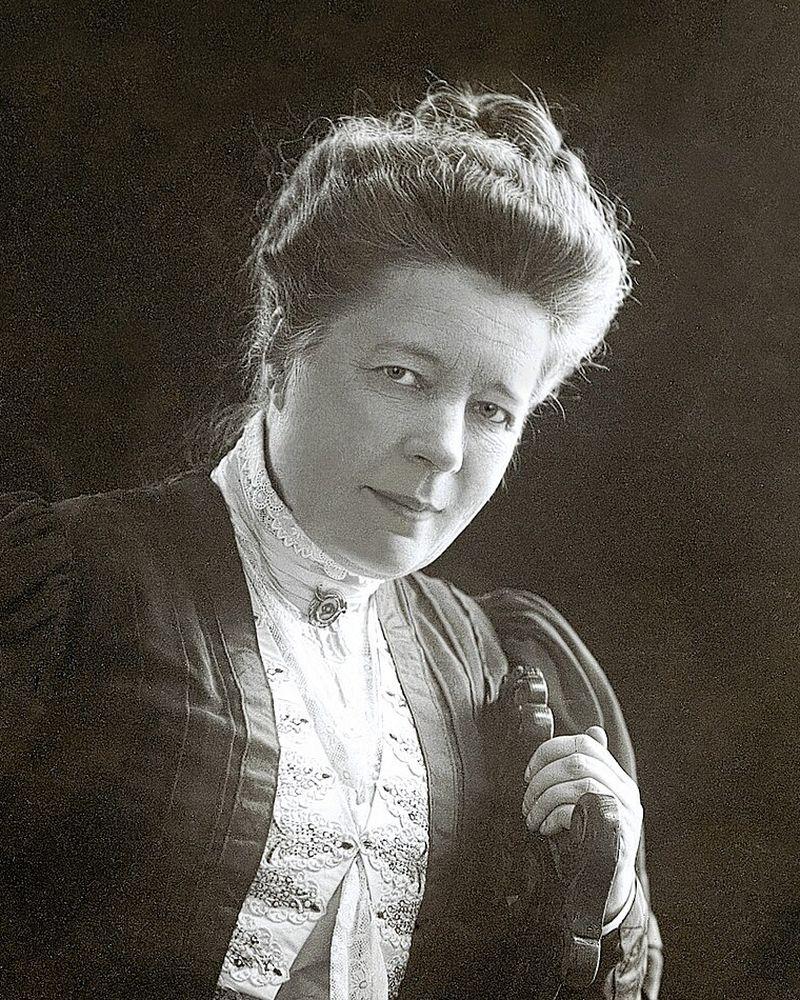
Born on November 20, 1858, at Mårbacka, the family manor in the Värmland countryside of western Sweden, Selma Lagerlöf was the daughter of a retired army lieutenant, Erik Gustaf Lagerlöf, and grew up on the stories of her grandmother and the old household servants: tales of the cavaliers, ironworks and ghosts of the district that would fill her books. Schooled at home, she went to Stockholm at twenty-three to train at the Higher Teacher Training College for Women from 1882 to 1885. Her father died in 1885 and the debt-laden estate was soon sold out of the family, a loss that sharpened her sense of what the old Värmland had been. For ten years she taught at a girls' school in Landskrona, writing in the margins of her days, until in 1890 five chapters of a novel won a competition run by the women's magazine Idun. The finished book, Gösta Berling's Saga (1891), the story of a defrocked, drunken pastor among the pensioned cavaliers of Ekeby, was received coolly in Sweden until the Danish critic Georg Brandes praised its translation. She left teaching in 1895, travelled through Italy and Sicily with her friend the writer Sophie Elkan, and drew on the journey for The Miracles of Antichrist (1897). A visit to the Swedish peasant colony in Jerusalem in 1900 produced Jerusalem (1901-1902). Asked by the National Teachers' Association for a geography reader for schoolchildren, she wrote The Wonderful Adventures of Nils (1906-1907), in which a boy shrunk by a household elf crosses Sweden on the back of a goose. In 1907 she bought back the house at Mårbacka; in 1909 she became the first woman to receive the Nobel Prize in Literature, and in 1914 the first woman elected to the Swedish Academy. Later came The Emperor of Portugallia (1914), the memoir Mårbacka (1922) and the Löwensköld trilogy (1925-1928). She died at Mårbacka on March 16, 1940, at the age of eighty-one.
At the Nobel banquet in Stockholm in December 1909, Lagerlöf answered the honour with a story: she had gone to heaven, she said, to ask her dead father how she could repay her debts of gratitude. He wept for joy, then struck the arm of his chair and declared he would trouble himself about nothing but being happy.
The first button needs the app on this device; the second gets it there.
In the canon
- The Story of Gösta Berling1891
- Gösta Berling's Saga1891
- Jerusalem1901
- The Wonderful Adventures of Nils1906
- The Emperor of Portugallia1914
- The Löwensköld Ring1925