

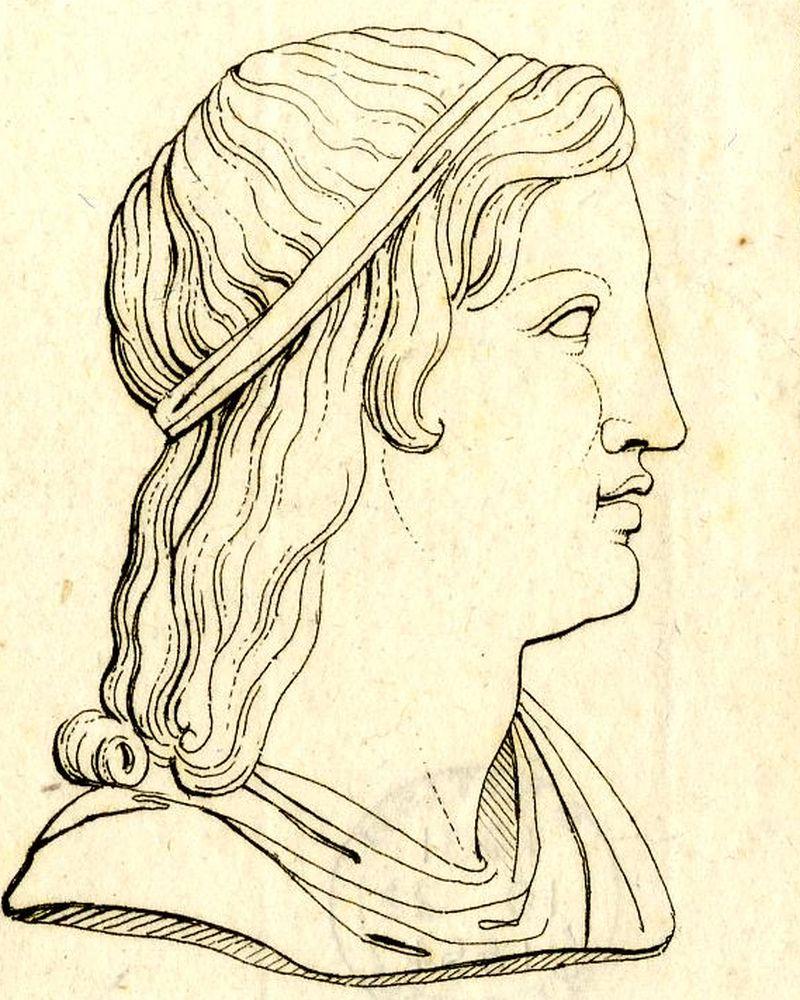
Author
Suetonius
- Lived
- Lived 69 CE to 122 CE
- From
- From Roman
Gaius Suetonius Tranquillus was born around 69 CE, the year of the four emperors, a date reckoned from his own remark that he was a young man when a pretender claiming to be Nero turned up in Parthia twenty years after the emperor's death. His family was equestrian, and most scholars place its home at Hippo Regius in Roman Africa, the modern Annaba in Algeria, whose forum yielded an inscription in his honour in 1952. His father, Suetonius Laetus, served as an equestrian tribune of the Thirteenth Legion in Otho's brief civil war of 69, and the son later passed on what his father had seen of Otho's last days. He grew up in Rome under Domitian, trained in rhetoric and pleaded in the courts, and found a patron in Pliny the Younger, who took him into his household as a constant guest, helped him buy a small country property, secured him a military tribunate that Suetonius passed on to a kinsman, Caesennius Silvanus, and pressed him in a letter to stop polishing and publish. Around 111 Pliny persuaded Trajan to grant him the privileges of a father of three, since his marriage was childless. Under Trajan he held the court posts a studiis and a bybliothecis, in charge of the imperial libraries, and under Hadrian he became ab epistulis, the emperor's secretary for correspondence, with access to archives that let him quote Augustus's private letters word for word. His Lives of the Caesars, eight books running from Julius Caesar to Domitian, was dedicated to Septicius Clarus, praetorian prefect from 119. Around 122 Hadrian dismissed both men for behaving towards the empress Sabina more informally than court etiquette allowed. He also wrote Lives of Illustrious Men, on grammarians, rhetoricians and poets, of which the lives of Terence, Virgil and Horace survive in part, and treatises in Greek on games and terms of abuse. When and where he died is unknown.
Under Domitian the tax on the Jews was collected with the utmost rigour, and people suspected of living as Jews without declaring it were prosecuted. Suetonius, then a young man, stood in a packed court while a man of ninety was examined before the procurator to see whether he was circumcised. Some thirty years later he wrote it down.
The first button needs the app on this device; the second gets it there.
In the canon
- The Twelve Caesars121 CE
- Lives of the Caesars121 CE