

Author
Viśnu Sarma
- From
- From Indian
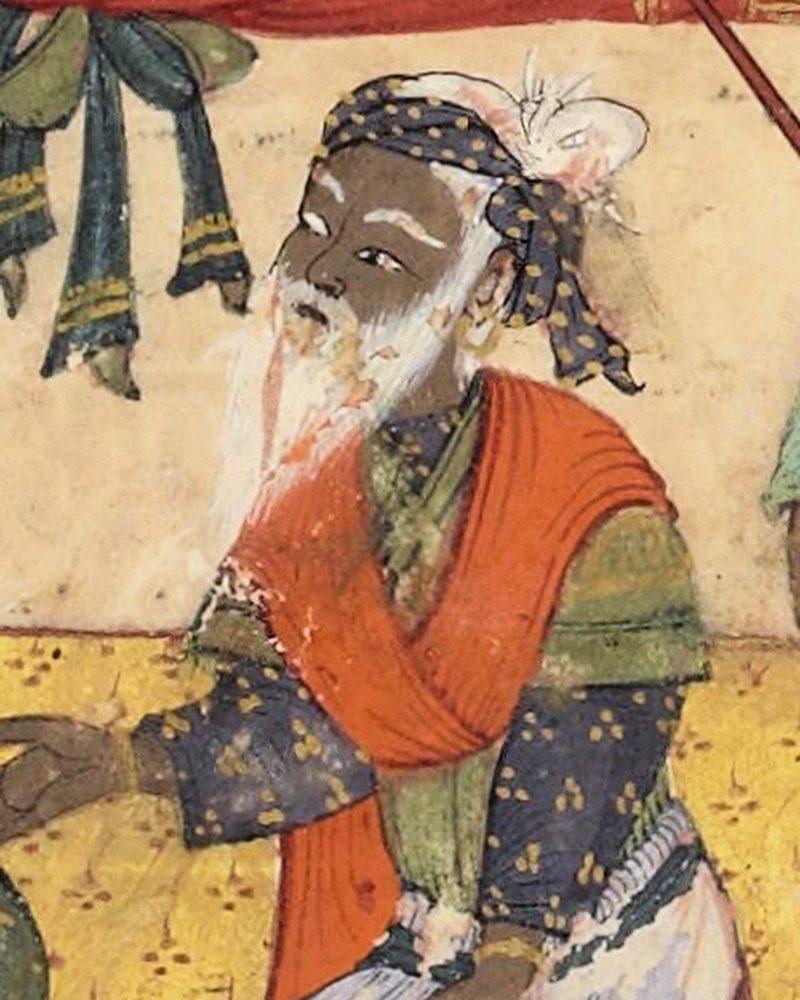
Viśnu Sarma is known only from the book that carries his name, and only from the story that book tells about itself. The opening of the Pañcatantra presents him as Vishnusharman, an aged Brahmin learned in many sciences, in the southern city of Mahilaropya, where King Amarashakti despaired of three sons the text calls supreme blockheads. A counsellor warned that grammar alone took twelve years and that life was short, and proposed the Brahmin instead. Vishnusharman, by the book's account eighty years old and indifferent to money, swore to make the princes masters of the wise conduct of life within six months, and did it by composing five books of fables for them to learn by heart: The Loss of Friends, The Winning of Friends, Crows and Owls, Loss of Gains and Ill-considered Action. Whether such a man ever lived is unknown. No source outside the text mentions him, and the Sanskritist Patrick Olivelle has said it cannot be known whether he was the real author or a literary invention. The date is as uncertain as the man. Johannes Hertel placed the original in Kashmir around 200 BCE; the consensus Olivelle reports, which he calls only an educated guess, is about 300 CE, and many of the stories were old when they were gathered. The book is a niti-shastra, a manual of shrewd conduct for rulers, in which jackals, crows, lions and turtles argue their cases in prose and clinch them with verses quoted from the authorities. Its afterlife is enormous. About 570 the physician Borzuy carried it into Middle Persian at the court of Khosrow I; about 750 Ibn al-Muqaffa made the Arabic Kalila wa-Dimna, the source of versions in Hebrew, Latin, Spanish, Italian and English, Thomas North's of 1570 among them. Jean de La Fontaine named the Indian sage Pilpay as the source of much of his second collection of fables, and Arthur Ryder, its American translator, called its contents the most widely known stories in the world.
In the book's own account, the king offered a hundred land-grants for the princes' schooling. Vishnusharman refused to sell learning, said that at eighty he had no use for money, and staked his own name on teaching them in six months; if he failed, he added in Arthur Ryder's translation, the king might show him his bare bottom.
The first button needs the app on this device; the second gets it there.
In the canon
- The Pañcatantra300 CE