

Author
Zengzi
- Lived
- Lived 505 BCE to 435 BCE
- From
- From Chinese
- Born in
- Born in Nanwucheng, state of Lu (Shandong, China)
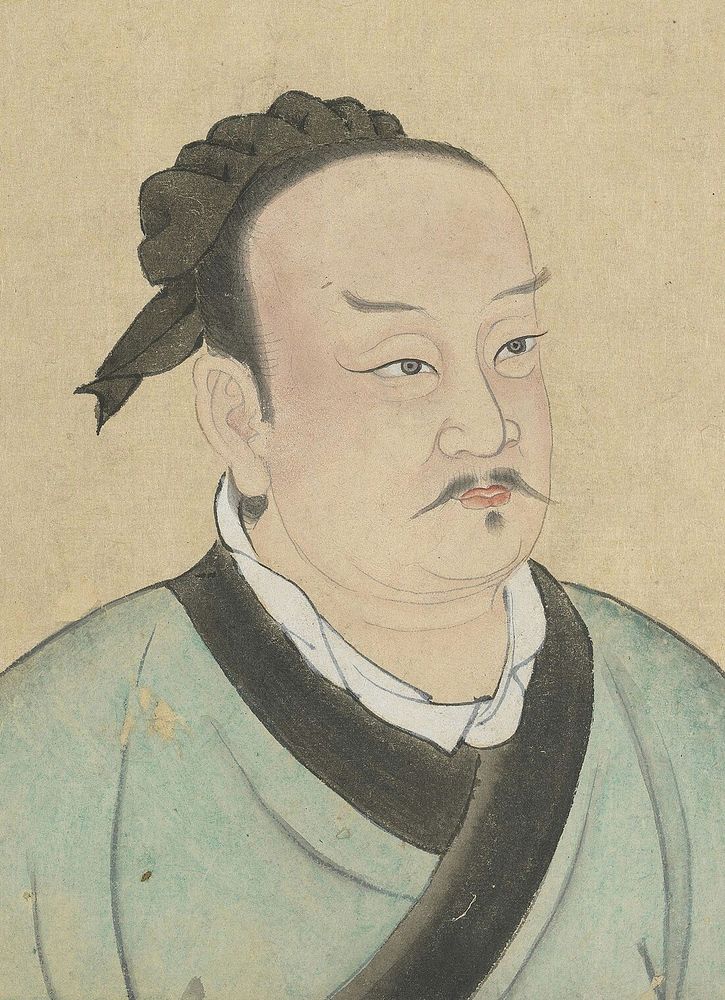
Zeng Shen, remembered as Zengzi, "Master Zeng", was born by tradition in 505 BCE at Nanwucheng in the state of Lu, in present-day Shandong, in the last decades of China's Spring and Autumn period. His father, Zeng Dian, was one of Confucius's early followers, and at sixteen the boy was sent to study with the Master himself, forty-six years his senior. Confucius did not flatter him: in the Analects he says plainly that Shen is slow. Yet the Analects gives Zengzi the honorific "Master", a sign that his own students had a hand in compiling it, and it is Zengzi who, when Confucius says that a single thread runs through his teaching, explains it to the other disciples as loyalty and reciprocity. His sayings there are among the most quoted in the book, above all his daily examination of himself on three points: whether he had been faithful in acting for others, sincere with his friends, and diligent in practising what he had been taught. He became the tradition's model of devotion to parents, and the Classic of Filial Piety is cast as a conversation between him and Confucius, though it was written down long after both were dead. After Confucius died in 479 BCE, Zengzi taught in Lu; by tradition his pupils included Zisi, the Master's grandson, through whose school the teaching passed to Mencius. In the twelfth century the philosopher Zhu Xi credited Zengzi and his followers with The Great Learning, a short chapter of the Book of Rites that Zhu made the first of the Four Books, the core of the imperial examinations for six centuries; modern scholars find no early evidence for the attribution and date the text to the Warring States period or later. He died in Lu around 435 BCE. Confucian temples honour him as one of the Four Assessors who sit beside the Master, under the title Zongsheng, the Transmitting Sage.
Mencius tells how Zengzi looked after his old father, Zeng Xi. Every meal came with wine and meat, and as the dishes were cleared Zengzi always asked to whom the leftovers should go. If his father asked whether anything remained, he always said there was. Mencius called it nourishing a parent's will, not merely his mouth and body.
What do I seek for? I want for nothing but to die in the correct way.
The first button needs the app on this device; the second gets it there.
In the canon
- The Great Learning400 BCE