
In the Library
The Quran
Unknown, 610 CE
- Form
- Form Philosophy
- Difficulty
- Difficulty Demanding
- Reading time
- Reading time 12 hours
- Translated by
- Translated by J.M. Rodwell
- Chapters
- Chapters 12
- Length
- Length 159k words
£1.99
Read in the app, yours for good. Not yet by post.
The book unlocks on your account as soon as you buy it, so the 14-day right to cancel ends once it is unlocked.
PRAISE be to God, Lord of the worlds! The compassionate, the merciful! King on the day of reckoning!
What buying means
- Yours for good, on every iPhone you sign in to.
- Read in the app’s own reader, with the original beside the translation where there is one.
- Downloaded, so it reads with no signal.
- The same price as in the app. Folio already opens every book on this shelf; buying keeps this one after Folio ends. A refund takes it back.
If you like this, try
The Bhagavad Gita
Vyasa
The Bhagavad Gita does the same thing, delivering divine instruction directly into a human crisis, but frames it as one god speaking to one warrior before a single battle.
£1.99
The Masnavi
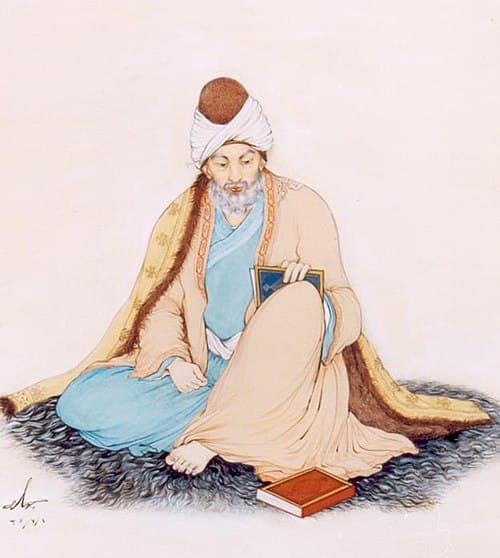
Rumi
The Masnavi does the same thing, turning scripture into ecstatic poetry, but filters revelation through one Sufi mystic's parables of longing instead of direct prophetic address.
£1.99
The Book of Job
Anonymous
The Book of Job does the same thing, staging an unanswerable encounter between a human voice and an overwhelming God, but ends in argument rather than surrender.
£1.99

About the book
A merchant in middle age withdraws to a cave on Mount Hira above Mecca, fasts and meditates, and one night receives a command he cannot refuse: Recite. The recitations attributed to Muhammad began in 610 and continued for twenty-three years until his death in 632, gathered first in private memory and oral tradition before being fixed in written codex under the third caliph. The Quran is arranged not chronologically but by descending length of sura, opening with the brief Fatiha and closing with the shortest verses of the Meccan dawn. Its Arabic, by the testimony of Arabic itself, is a register no human pen could attain. The book is recited before it is read. The voice precedes the page.