
Author
Algernon Blackwood
- Lived
- Lived 1869 to 1951
- From
- From English
- Born in
- Born in Shooter's Hill, England
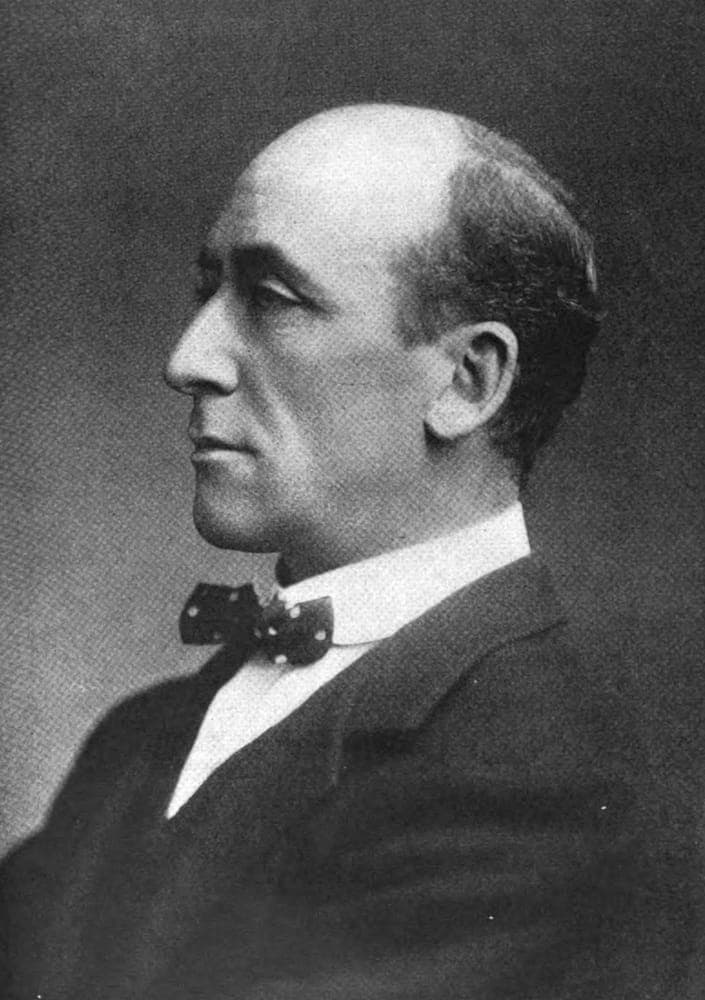
Born Algernon Henry Blackwood on March 14, 1869, at Shooter's Hill in Kent, he was the son of Sir Stevenson Arthur Blackwood, a Post Office administrator of narrow evangelical faith, and Harriet Dobbs, widow of the sixth Duke of Manchester. He grew up partly at Crayford Manor House, was educated at Wellington College and spent a year and a half at a Moravian Brotherhood school in the Black Forest, and at about seventeen he stole a translation of Patanjali's Yoga Aphorisms from a visiting preacher, the start of a lifelong turn to Eastern thought. At twenty he crossed to Canada, where he helped found the Toronto Theosophical Society in 1891, lost money on a dairy farm and a small hotel, and spent a season living on an island in a wilderness lake. In New York he went hungry in vermin-ridden boarding houses and worked as a newspaper reporter, then as a private secretary, model, bartender and violin teacher. Back in England in his late thirties, he began publishing the supernatural fiction that made his name: The Empty House (1906), The Listener (1907), which contained "The Willows," and John Silence (1908), whose psychic doctor investigates cases such as "Ancient Sorceries." Novels followed, among them The Human Chord (1910) and The Centaur (1911), and his A Prisoner in Fairyland became the play The Starlight Express (1915), with music by Edward Elgar. He belonged to a faction of the Hermetic Order of the Golden Dawn and to The Ghost Club, skied and climbed mountains, and never married. His stories sought awe more than fright; he wrote that his fundamental interest was "signs and proofs of other powers that lie hidden in us all." In later life he told his tales on radio and television and was made a CBE. He died in London on December 10, 1951, aged eighty-two, and his ashes were scattered in the Swiss Alps.
At about seventeen, back from school in Germany, Blackwood found a small blue book beside the bag of a revivalist staying with his evangelical family: Patanjali's Yoga Aphorisms. Called away to tennis, he dropped it behind the hall table. Hours later the guest had gone and the book had not, so he stole it and read it in bed.
The first button needs the app on this device; the second gets it there.
In the canon
- The Empty House1906
- The Willows1907
- Ancient Sorceries1908
- The Human Chord1910
- The Centaur1911