
Author
John Gardner
- Lived
- Lived 1933 to 1982
- From
- From American
- Born in
- Born in Batavia, New York
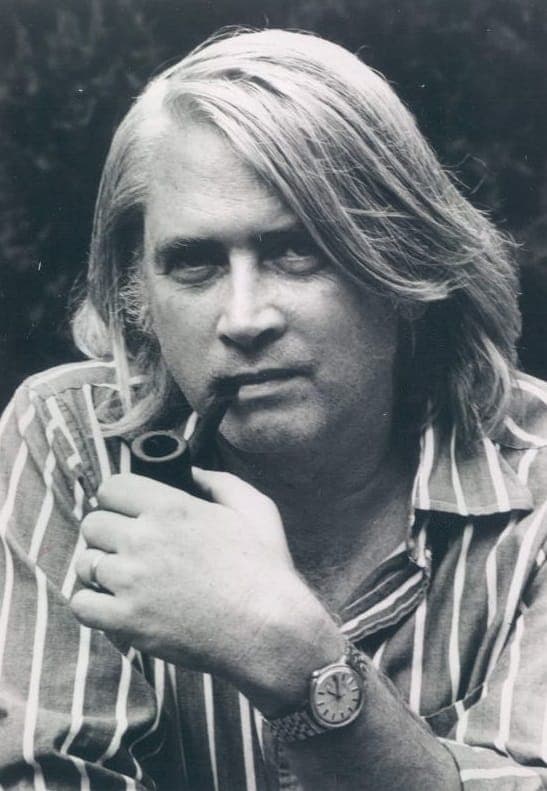
Born on July 21, 1933, in Batavia, New York, John Champlin Gardner Jr. grew up on his father's dairy farm, the son of a lay preacher and a schoolteacher who recited poetry to their friends, some of it their own. In April 1945, when he was eleven, his younger brother Gilbert was killed in an accident with the farm machinery while John was driving the tractor, a guilt he carried for the rest of his life and returned to again and again in his fiction. He studied at DePauw and Washington University in St. Louis, took his doctorate at the University of Iowa in 1958, and became a scholar of medieval literature, teaching at Oberlin, Chico State, where the young Raymond Carver was his student, San Francisco State and Southern Illinois, and translating the Gawain poet. Fame came in his late thirties with Grendel (1971), the Beowulf story told from the monster's side, and then with The Sunlight Dialogues (1972), Nickel Mountain (1973) and October Light (1976), which won the National Book Critics Circle Award. Then On Moral Fiction (1978), his case for fiction with a moral purpose, attacked contemporaries such as John Updike and John Barth by name, won him a television interview and a magazine cover, and turned much of the literary world against him; the same years brought a charge that his Life and Times of Chaucer had borrowed passages without credit. He believed the grudges shadowed the reviews of Mickelsson's Ghosts (1982), a novel later critics rated far more highly. A devoted and demanding teacher at Bennington, at the Bread Loaf Writers' Conference and finally at Binghamton, he left two books on the craft, The Art of Fiction and On Becoming a Novelist, both published the year after his death. He married twice, to Joan Patterson and to the poet Liz Rosenberg, and was killed in a motorcycle accident near his Pennsylvania home in September 1982, at the age of 49, days before a third wedding.
At Chico State in the late 1950s, a young married student with two small children and nowhere quiet to write showed Gardner his clumsy first stories. Gardner saw something in them and gave Raymond Carver the key to his office, so he could work there at weekends. Carver called the gift a turning point.
The first button needs the app on this device; the second gets it there.
In the canon
- Grendel1971