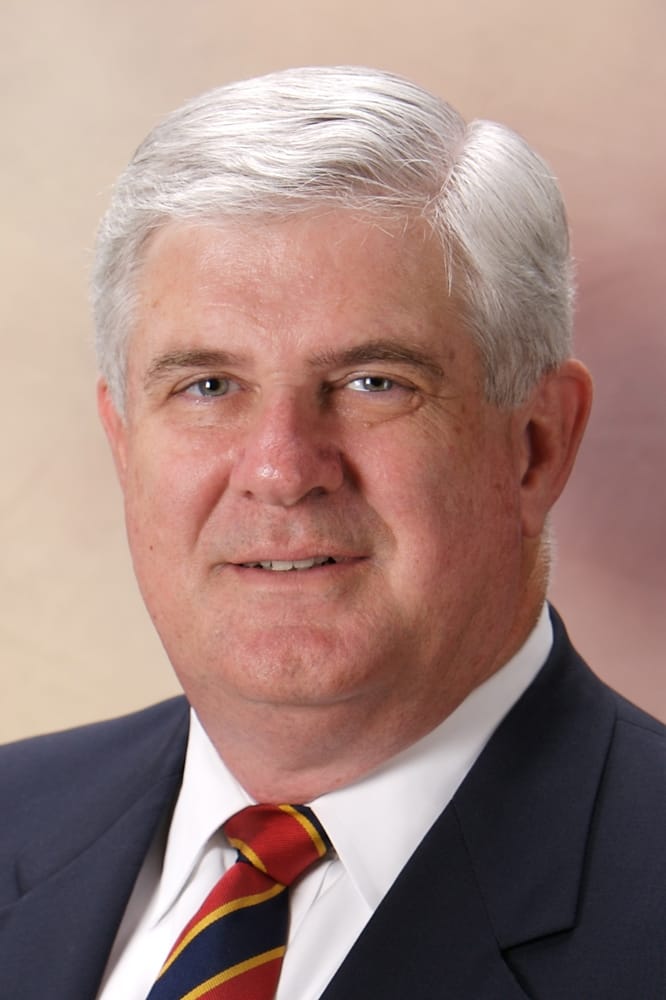
John Keegan
British · 1934 to 2012
Born John Desmond Patrick Keegan on May 15, 1934, in Clapham, London, he was the son of an Irish veteran of the First World War. At thirteen, orthopaedic tuberculosis settled in his hip, leaving him with a permanent limp, unfit for military service, and his schooling interrupted for a time. He continued at King's College, Taunton, and Wimbledon College, then won a place to read history at Balliol College, Oxford, in 1953, where he concentrated on the theory and conduct of war. After three years working at the American Embassy in London, he took a lectureship in military history at the Royal Military Academy Sandhurst in 1960, teaching the young officers who would carry the wars he never could into combat. He held the post for twenty-six years, becoming senior lecturer and taking visiting professorships at Princeton and Vassar along the way. In 1976 he published The Face of Battle, a study of Agincourt, Waterloo and the Somme that opened with his own plain admission of never having witnessed combat and asked, in closer detail than any historian before him, what a battle actually does to the men caught inside it. The book made his reputation and changed how military history was written. In 1986 he left Sandhurst for The Daily Telegraph, serving as defence correspondent and later defence editor for the rest of his career, and in 1998 delivered the BBC's Reith Lectures. Further studies followed, among them A History of Warfare, which won the Duff Cooper Prize in 1993, and The First World War. He was appointed OBE in 1991 and knighted in 2000 for services to military history. He died at his home in Kilmington, Wiltshire, on August 2, 2012, at seventy-eight, survived by his wife and their two daughters and two sons.
In the canon