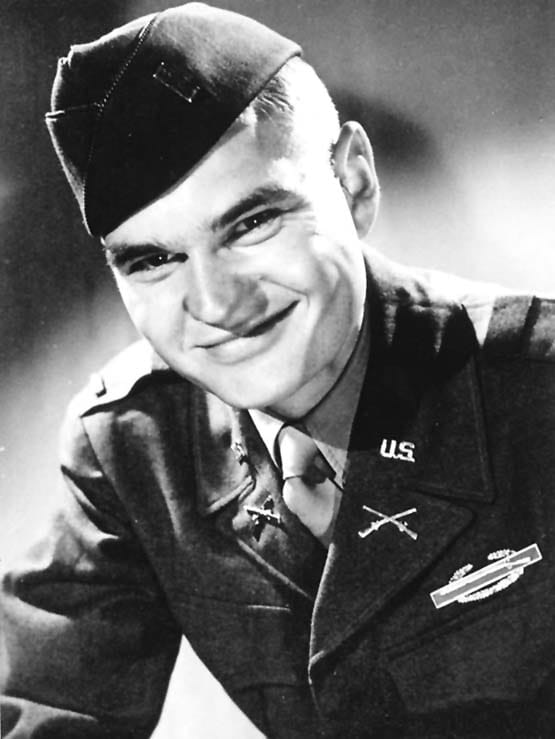
Paul Fussell
American · 1924 to 2012
Paul Fussell was born in Pasadena, California, in 1924, the son of a lawyer, and might have become a journalist if the Second World War had not intervened. He served as an infantry lieutenant in the 103rd Infantry Division, fighting in the Vosges Mountains and Alsace in the brutal winter push into Germany, where he was wounded by artillery fire and watched his own sergeant killed beside him. He carried the Bronze Star and two Purple Hearts home, along with a conviction that would shape everything he wrote afterward: that the official language of war, all glory and sacrifice, was a lie told by people who had never had to live inside it. After the war he studied English at Pomona College and took his doctorate at Harvard, then spent more than four decades teaching, first at Connecticut College, then for nearly thirty years at Rutgers, and finally at the University of Pennsylvania. His scholarly training was in eighteenth-century literature, but in 1975 he turned that same close reading toward a war he had not fought in, and The Great War and Modern Memory made his name, winning the National Book Award and permanently changing how readers understood the First World War's poets and soldiers. He followed it with equally sharp, often funny books on travel, taste, and the American class system, and with Wartime, a 1989 study that finally let him write, at a scholar's remove, about the war that had made him. Colleagues and readers knew him as blunt, funny, and impatient with cant of every kind. He died in Medford, Oregon, in 2012, at eighty-eight.
In the canon