
Author
Ryunosuke Akutagawa
- Lived
- Lived 1892 to 1927
- From
- From Japanese
- Born in
- Born in Tokyo, Japan
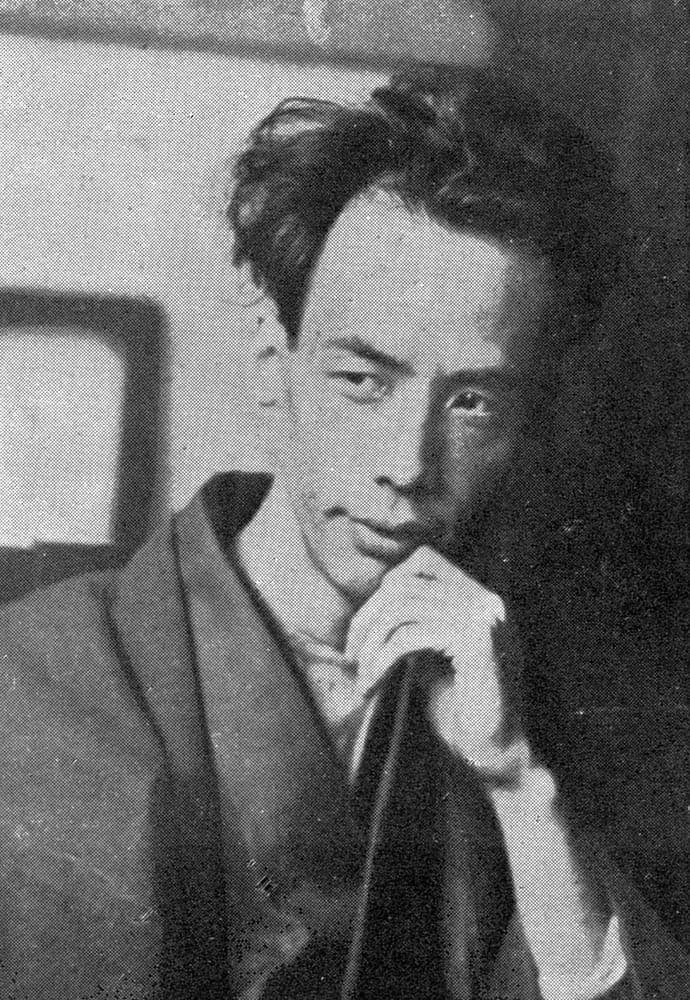
Born Ryūnosuke Niihara on March 1, 1892, in Irifune, in the Kyōbashi district of Tokyo, he was the eldest son of Toshizō Niihara, who ran a dairy business, and his wife Fuku. When he was a few months old his mother fell mentally ill, and the boy was taken into the household of her brother, Michiaki Akutagawa, whose family had served the Tokugawa shoguns for generations and kept up the arts and tastes of old Edo; he was later adopted and took their name, and all his life he feared he had inherited his mother's madness. A gifted pupil who loved the Chinese classics, above all Journey to the West and Water Margin, he entered the First Higher School in 1910 without examination, alongside Kan Kikuchi and Masao Kume, and in 1913 went on to read English literature at Tokyo Imperial University. With those friends he revived the magazine Shinshichō, and in 1915, still a student, he published "Rashōmon", a story built from a twelfth-century tale. "The Nose" (1916) won a letter of praise from Natsume Sōseki and made his name. He taught English for a time at the Naval Engineering School in Yokosuka, married Fumi Tsukamoto, and in 1919 left teaching to write under contract to the Osaka Mainichi newspaper. Story after story reworked old Japanese and Chinese sources with a cool modern eye: "Hell Screen" and "The Spider's Thread" (1918), and "In a Grove" (1922), written after a four-month assignment in China in 1921 from which his health never recovered. His later work turned inward and autobiographical, and his last year brought the satire Kappa and the hallucinatory "Spinning Gears". On July 24, 1927, he took his own life at his home in Tabata, Tokyo, at thirty-five. In 1935 Kikuchi founded the Akutagawa Prize in his memory, and in 1950 Akira Kurosawa joined "In a Grove" to "Rashōmon" for the film that carried his stories around the world.
In February 1916 Shinshichō, the magazine Akutagawa ran with his university friends, printed his story "The Nose". A letter soon came from Natsume Sōseki, the most admired novelist in Japan. Sōseki found it very interesting, and told him that if he set twenty or thirty more like it side by side he would be a writer without equal.
The first button needs the app on this device; the second gets it there.
In the canon
- Rashomon1915