
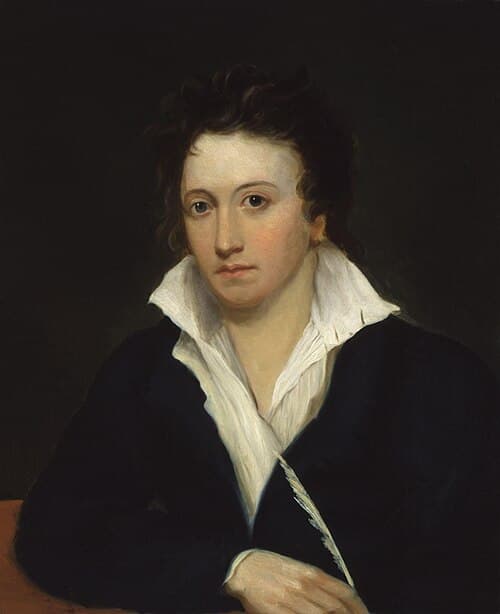
In the Library
Alastor
Percy Bysshe Shelley, 1816
- Form
- Form Poem
- Difficulty
- Difficulty Demanding
- Reading time
- Reading time 30 minutes
- Chapters
- Chapters 3
- Length
- Length 6k words
£1.99
Read in the app, yours for good. Not yet by post.
The book unlocks on your account as soon as you buy it, so the 14-day right to cancel ends once it is unlocked.
Earth, Ocean, Air, beloved brotherhood!
What buying means
- Yours for good, on every iPhone you sign in to.
- Read in the app’s own reader, with the original beside the translation where there is one.
- Downloaded, so it reads with no signal.
- The same price as in the app. Folio already opens every book on this shelf; buying keeps this one after Folio ends. A refund takes it back.
If you like this, try
Death in Venice
Thomas Mann
Mann sends another solitary artist after an unreachable ideal, but sets his fever loose in Venice instead of the Caucasus.
£1.99
The Sorrows of Young Werther
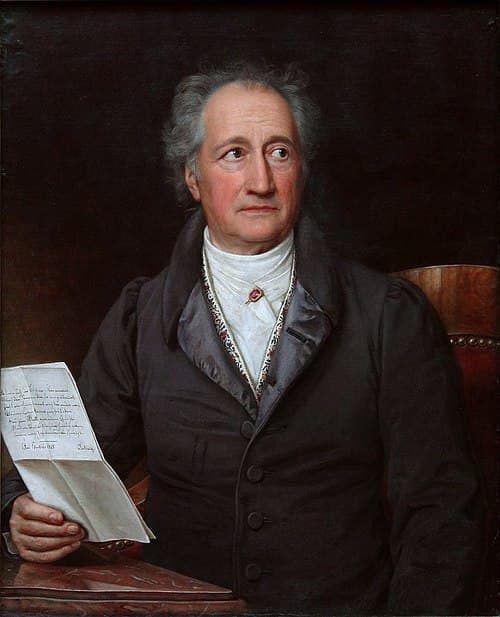
Johann Wolfgang von Goethe
Goethe's Werther chases the same impossible ideal into an early grave, though his obsession wears a woman's face instead of a dream's.
£1.99
The Rime of the Ancient Mariner
Samuel Taylor Coleridge
Coleridge's mariner wanders as alone and as doomed, but a curse drives him where Shelley's Poet only follows a dream.
£1.99


About the book
"Earth, Ocean, Air, beloved brotherhood!" The poem opens by embracing the whole world, then follows a nameless Poet who cannot. Raised on philosophy and ruins, he wanders past the fallen towers of Babylon, through Arabia and Persia, so rapt that he never notices the Arab girl who brings him food from her father's tent and lies awake to watch him sleep. In the vale of Cashmire he dreams of a veiled woman whose voice is like the voice of his own soul, and wakes to a world gone empty. From there he chases a phantom: a leaking boat driven into the caverns of the Caucasus, a forest well where his own wan eyes look back at him. Shelley was twenty-three, and his blank verse rolls like the water it keeps describing, though his preface warned against exactly this hunger. Alastor is the Greek name for an avenging spirit. What it avenges is the refusal of a living love for an ideal no body could ever hold, and the poem knows, with terrible tenderness, how beautiful that refusal feels from inside.