
In the Library
Anton Reiser
Karl Philipp Moritz, 1785
- Form
- Form Novel
- Difficulty
- Difficulty Demanding
- Reading time
- Reading time 9.5 hours
- Chapters
- Chapters 91
- Length
- Length 134k words
£1.99
Read in the app, yours for good. Not yet by post.
The book unlocks on your account as soon as you buy it, so the 14-day right to cancel ends once it is unlocked.
This psychological novel might equally well be called a biography, since its observations are for the most part taken from real life.
What buying means
- Yours for good, on every iPhone you sign in to.
- Read in the app’s own reader, with the original beside the translation where there is one.
- Downloaded, so it reads with no signal.
- The same price as in the app. Folio already opens every book on this shelf; buying keeps this one after Folio ends. A refund takes it back.
If you like this, try
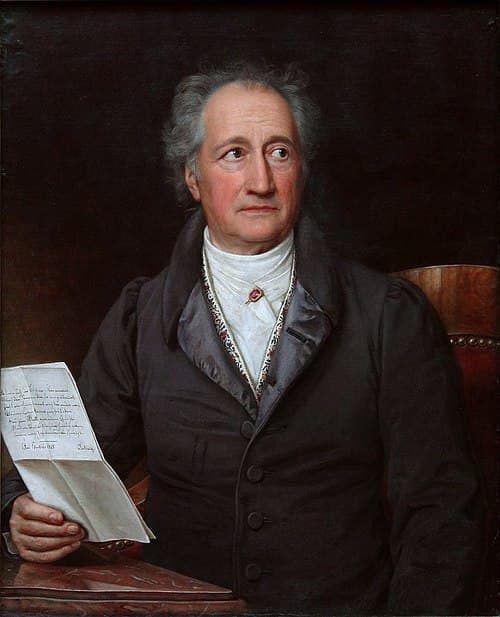
The Sorrows of Young Werther
Johann Wolfgang von Goethe
Goethe's Werther gives the same overheated German sensibility a single burning letter instead of Reiser's slow accumulation of small humiliations.
£1.99
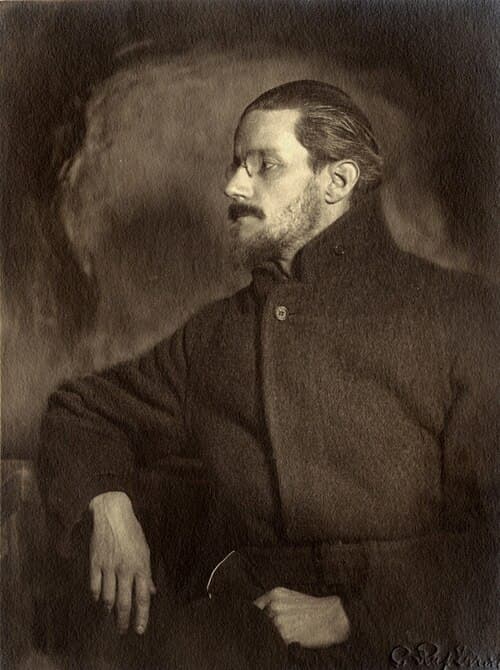
A Portrait of the Artist as a Young Man
James Joyce
Stephen Dedalus escapes a stern religious household into art exactly as Anton does, but Joyce lets his hero's flight succeed where Moritz's own never quite holds.
£1.99
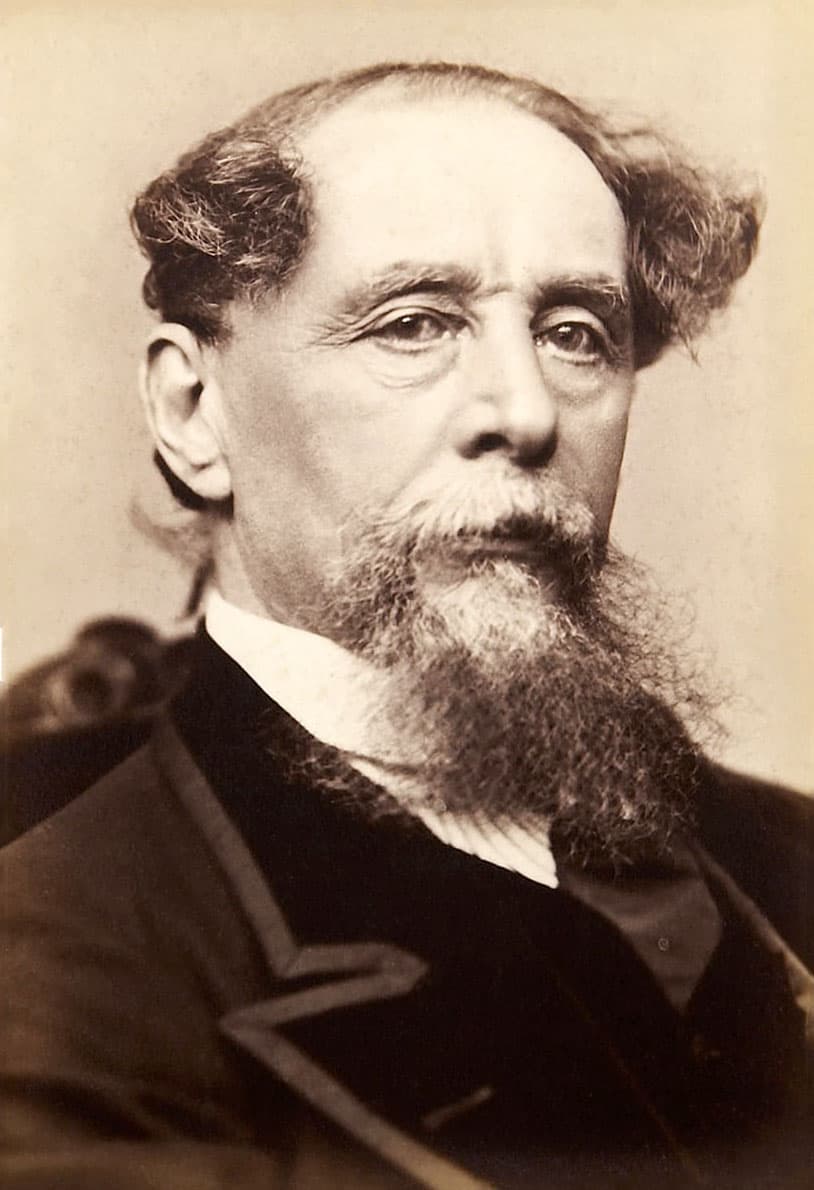
David Copperfield
Charles Dickens
David Copperfield turns the same raw material, a humiliated boy clawing his way out of poverty and neglect, into comedy and eventual reward rather than Reiser's unresolved ache.
£1.99
About the book
A solitary boy in eighteenth-century Hanover sits behind his pietist father's chair, listening to sermons on self-annihilation that promise salvation only through the extinction of every earthly desire. Karl Philipp Moritz published this autobiographical novel in four parts between 1785 and 1790, calling it a psychological novel and inventing, by the act of naming, the form. Anton Reiser longs for the theatre, walks miles between towns on starvation rations, scribbles verses no one will read, mistakes every passing kindness for the friendship that will rescue him. Moritz had himself been the apprentice, the charity scholar, the half-mad walker on the Erfurt road. The novel watches a self being assembled out of humiliation and books, and finds the assembly never quite holds.