
In the Library
Do Not Go Gentle into That Good Night
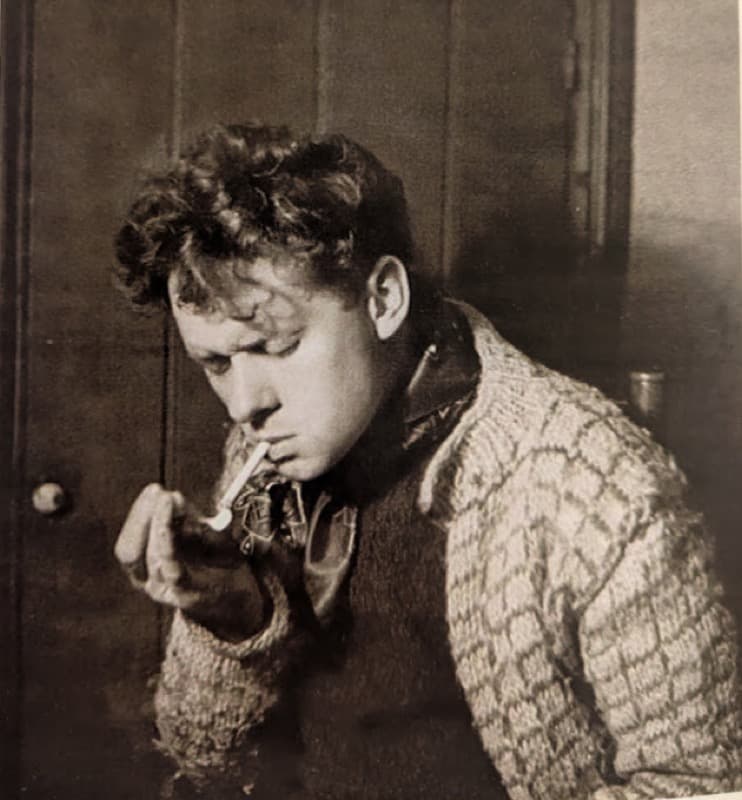
Dylan Thomas, 1951
- Form
- Form Poem
- Difficulty
- Difficulty Accessible
- Reading time
- Reading time 5 minutes
- Chapters
- Chapters 1
- Length
- Length 0k words
£1.99
Read in the app, yours for good. Not yet by post.
This edition is still in copyright in the United States, so it cannot be bought there.
The first button opens the book in the app when it is installed; the badge gets the app.
Still in copyright in the United States: this edition is sold and read outside it.
Rage, rage against the dying of the light.
What buying means
- Yours for good, on every iPhone you sign in to.
- Read in the app’s own reader, with the original beside the translation where there is one.
- Downloaded, so it reads with no signal.
- The same price as in the app. Folio already opens every book on this shelf; buying keeps this one after Folio ends. A refund takes it back.
If you like this, try
About the book
Four times the same command returns, each time harder than the last: Rage, rage against the dying of the light. Dylan Thomas built that insistence into the bones of the poem by choosing the villanelle, a nineteen-line form on two rhymes whose refrains are forced to recur whether the poet wills them or not. He turned the constraint into a son's argument with death. Across the stanzas he gathers wise men, good men, wild men and grave men, each finding at life's end some reason to resist the dark, until the catalogue narrows to one bed and one face: a father going blind and losing his voice, on what the poem calls the sad height. It does not mourn so much as command. The strangest of love letters, it is a son ordering his dying father not to leave gently but to rage, to curse and bless him with fierce tears, because watching the light go out quietly is the one thing he cannot bear, and the form itself makes that refusal say itself over and over.