
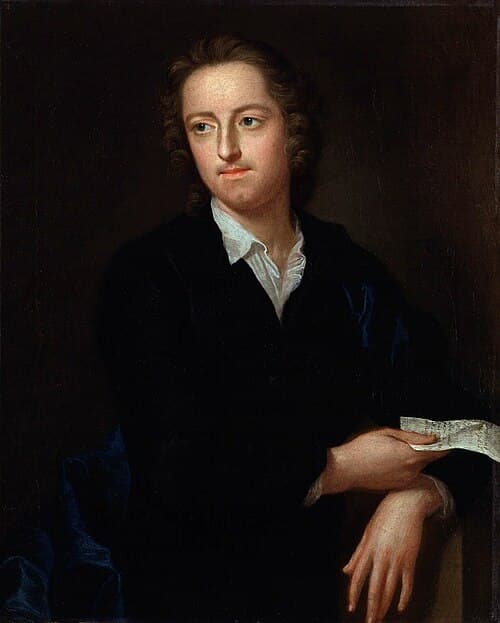
In the Library
Elegy Written in a Country Churchyard
Thomas Gray, 1751
- Form
- Form Poem
- Difficulty
- Difficulty Moderate
- Reading time
- Reading time 5 minutes
- Chapters
- Chapters 1
- Length
- Length 1k words
£1.99
Read in the app, yours for good. Not yet by post.
The book unlocks on your account as soon as you buy it, so the 14-day right to cancel ends once it is unlocked.
The curfew tolls the knell of parting day, the lowing herd wind slowly o'er the lea.
What buying means
- Yours for good, on every iPhone you sign in to.
- Read in the app’s own reader, with the original beside the translation where there is one.
- Downloaded, so it reads with no signal.
- The same price as in the app. Folio already opens every book on this shelf; buying keeps this one after Folio ends. A refund takes it back.
If you like this, try
In Memoriam A.H.H.
Alfred, Lord Tennyson
Tennyson sustains the same graveyard meditation for a hundred and thirty cantos, and the anonymous dead become one beloved friend.
£1.99
The Darkling Thrush
Thomas Hardy
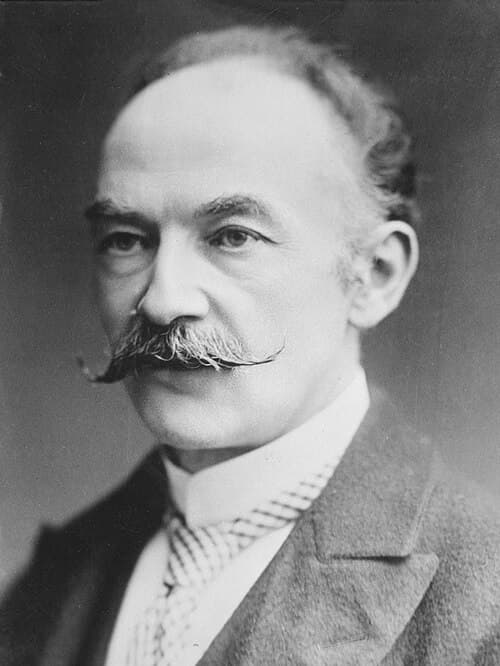
Hardy leans on a gate at dusk at the very end of the century, as alone as Gray among his graves, until an aged thrush flings out a song of hope he cannot share.
£1.99
Ozymandias
Percy Bysshe Shelley
Shelley's shattered statue in the sand is Gray's line about the paths of glory leading to the grave, made into one unforgettable picture of a proud boast outlasted by the desert.
Free in the app


About the book
The curfew tolls the knell of parting day; a plowman trudges home, the light leaves the fields, and one man is left among the slanting headstones of a country churchyard as the dark comes on. What Thomas Gray does here had scarcely been done before. He turns the full ceremonial weight of elegy, the grand form built for the great and the mourned, upon the people beneath the rudest stones, the farm laborers no chronicle will ever name. He wonders what they might have been: some mute inglorious Milton, some village Hampden who once faced down a petty local tyrant, and he asks whether a life lived unknown is a loss or a mercy, a sparing from the world's worst temptations. Then comes the quiet miracle. The poem turns, and the man grieving strangers begins, without quite saying so, to grieve himself, to picture the hour some kindred spirit reads his own stone. Few poems have made such tenderness out of the fear of being forgotten.