
In the Library
Hunger
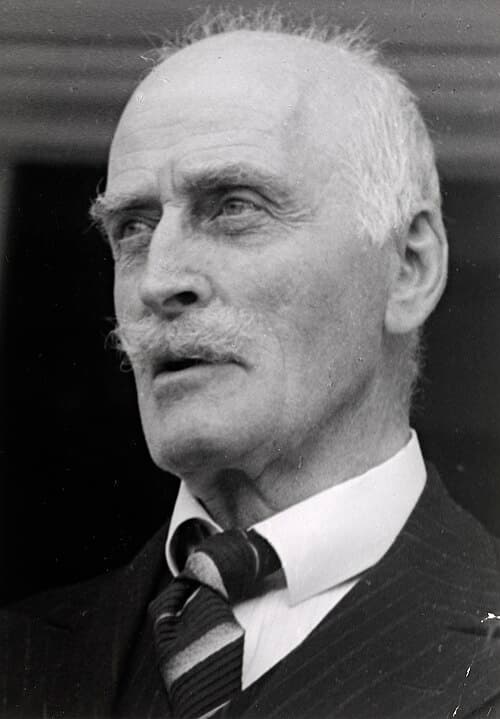
Knut Hamsun, 1890
- Form
- Form Novel
- Difficulty
- Difficulty Moderate
- Reading time
- Reading time 4.5 hours
- Translated by
- Translated by George Egerton
- Original
- Original no
- Chapters
- Chapters 4
- Length
- Length 64k words
£1.99
Read in the app, yours for good. Not yet by post.
The book unlocks on your account as soon as you buy it, so the 14-day right to cancel ends once it is unlocked.
Christiania, this singular city, from which no man departs without carrying away the traces of his sojourn there.
What buying means
- Yours for good, on every iPhone you sign in to.
- Read in the app’s own reader, with the original beside the translation where there is one.
- Downloaded, so it reads with no signal.
- The same price as in the app. Folio already opens every book on this shelf; buying keeps this one after Folio ends. A refund takes it back.
If you like this, try
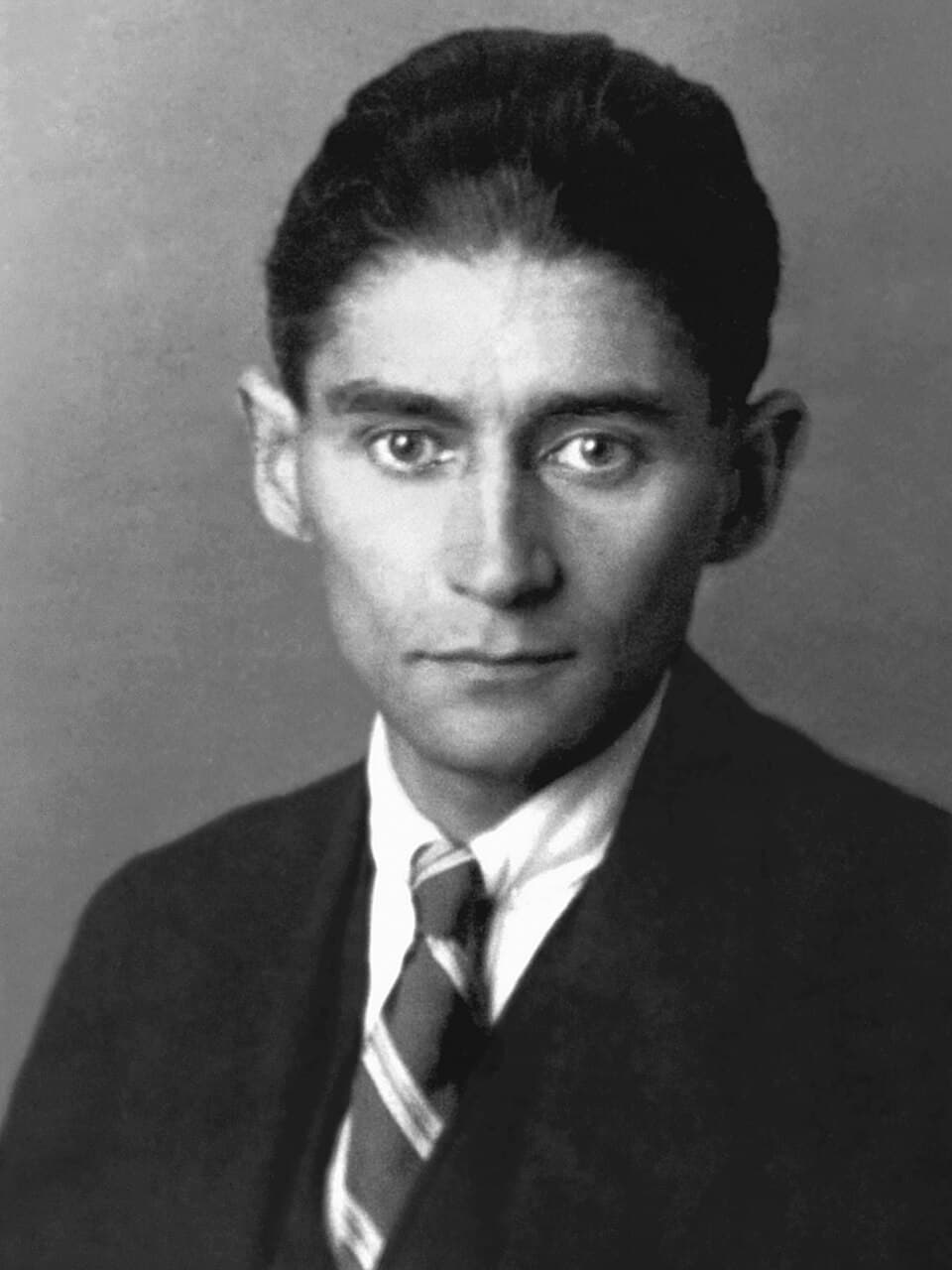
The Metamorphosis
Franz Kafka
Kafka takes the same degradation and makes it literal: the body becomes the cage the mind was already in.
£1.99
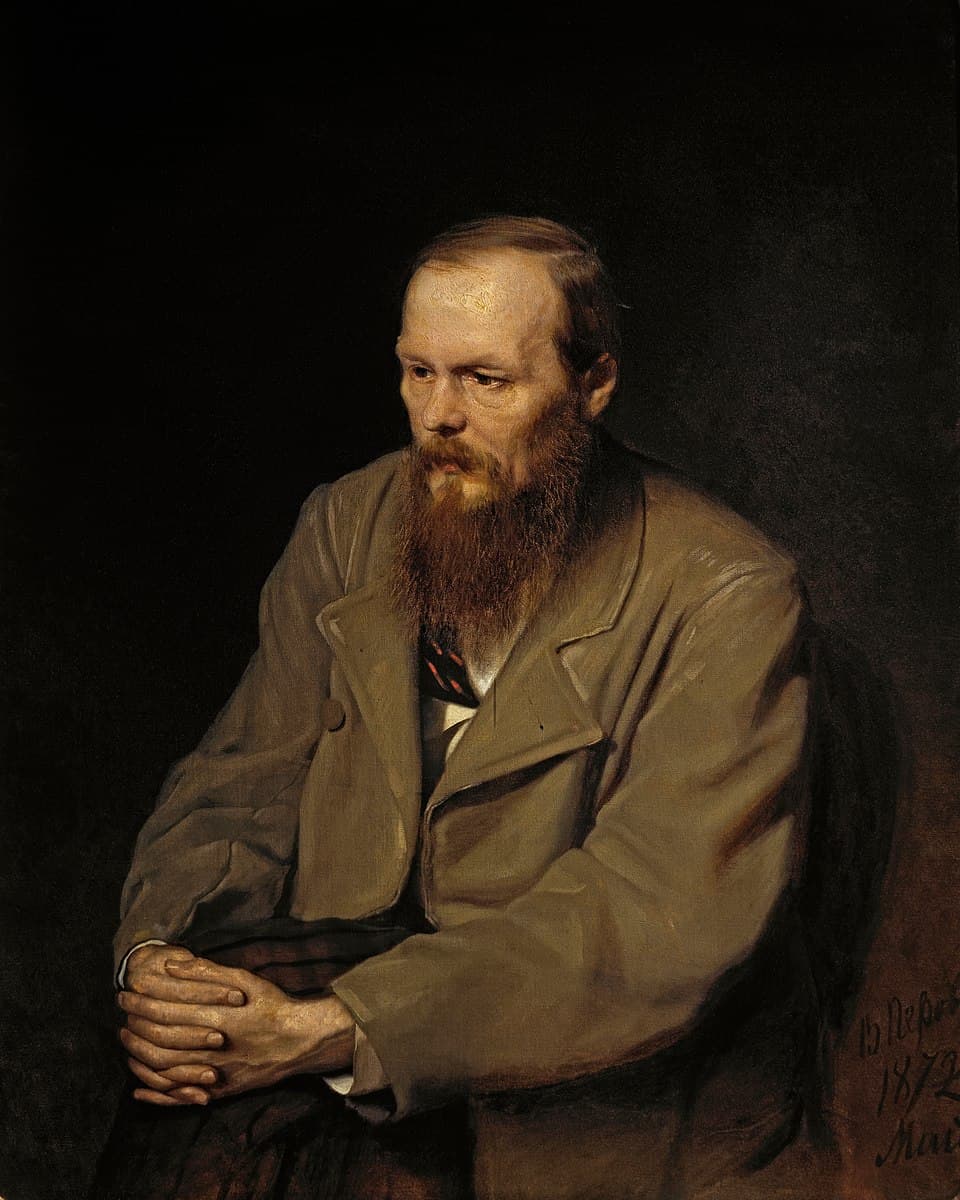
Notes from the Underground
Fyodor Dostoevsky
Dostoevsky's narrator circles the same obsessive consciousness, but feeds on spite where Hamsun's narrator simply starves.
£1.99
About the book
He pawns his waistcoat in the Kristiania winter to buy bread, then presses the coins into the hand of a beggar hungrier than himself, and the logic is airtight: a man may starve, but he will not let his pride be seen to bend. This is the engine of the whole book, an unnamed writer with nothing to sell but pages no editor wants, gnawing wood shavings to fool his stomach, his hair coming loose in his fingers, his mind racing toward the strange lucidity the starving sometimes know. Hamsun walked these streets before he wrote them, reaching for a form no one had named: a novel that follows not events but a feverish consciousness narrating its own ruin, one that cannot trust itself and cannot stop. There is almost no plot, only a mind held at the edge of collapse and watched in merciless close-up. You finish it having lived inside another person as completely as a book can let you.