

In the Library
Kristin Lavransdatter
Sigrid Undset, 1920
- Form
- Form Novel
- Difficulty
- Difficulty Demanding
- Reading time
- Reading time 8 hours
- Translated by
- Translated by C. Archer and J. S. Scott (1923)
- Chapters
- Chapters 3
- Length
- Length 110k words
£1.99
Read in the app, yours for good. Not yet by post.
The book unlocks on your account as soon as you buy it, so the 14-day right to cancel ends once it is unlocked.
Never before had she dreamed that the world was so big and wide.
What buying means
- Yours for good, on every iPhone you sign in to.
- Read in the app’s own reader, with the original beside the translation where there is one.
- Downloaded, so it reads with no signal.
- The same price as in the app. Folio already opens every book on this shelf; buying keeps this one after Folio ends. A refund takes it back.
If you like this, try
Growth of the Soil
Knut Hamsun
Growth of the Soil does the same thing, but trades Kristin's convent bells and inherited guilt for Hamsun's near-wordless, almost animal devotion to clearing new land.
£1.99
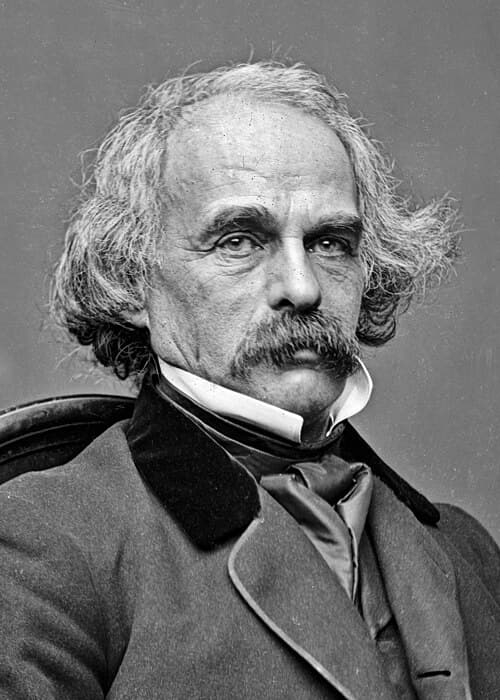
The Scarlet Letter
Nathaniel Hawthorne
The Scarlet Letter does the same thing, but compresses Kristin's decades of private penance into one Puritan town's public, unrelenting reckoning with a single unconfessed sin.
£1.99
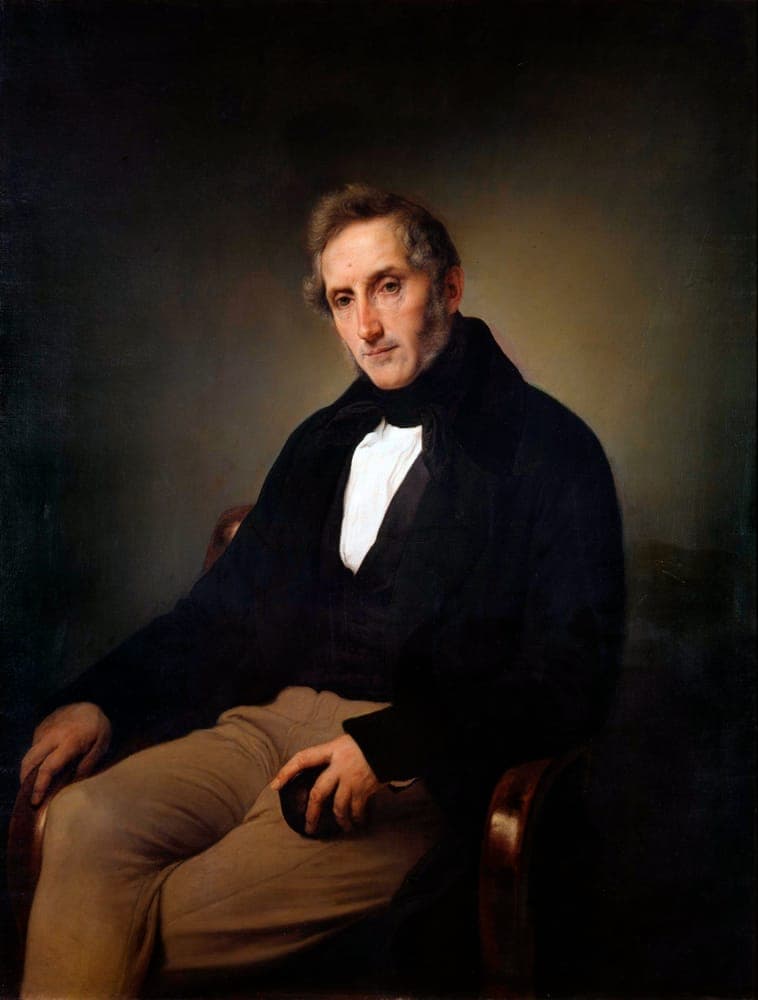
The Betrothed
Alessandro Manzoni
The Betrothed does the same thing, but follows two humble lovers kept apart by a tyrant and a plague, rather than by one woman's own broken marriage vow.
£1.99

About the book
A young woman walks barefoot across a cold Norwegian valley in the fourteenth century, defying her father to give herself to the man she loves. Sigrid Undset published this trilogy between 1920 and 1922, drawing on a lifetime of medieval scholarship to render the high Middle Ages from inside their own conscience rather than from above. Kristin Lavransdatter marries Erlend Nikulausson against her father's blessing, raises seven sons through plague, war, and the slow attrition of household labour, and reckons across forty years with the weight of a vow once broken. Undset would take the Nobel in 1928, largely on the strength of these books. The novel grants her heroine no easy absolution and no final consolation beyond the patient daily work of grace.